Steel, Sweat, and Handshakes: The Worker-Run Loan Clubs That Built a Pennsylvania Town Without Bankers
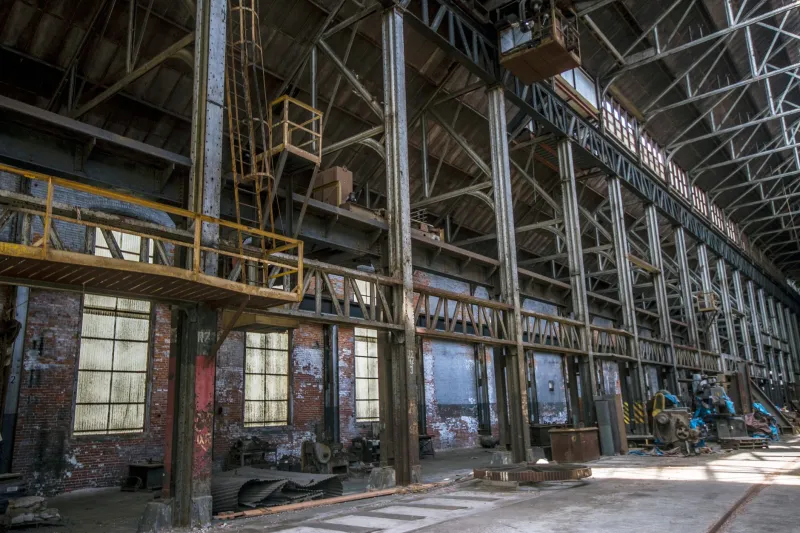
The Bank That Lived in the Break Room
Somewhere around 1905, a steelworker in Braddock, Pennsylvania — probably smelling of iron and coal dust — handed over a few crumpled dollars to a man he trusted with his life. Not a banker. Not a lawyer. His foreman's cousin, or maybe the guy who worked the furnace next to him for six years. The transaction was simple, the paperwork nonexistent, and the interest rate fairer than anything a downtown bank would have offered him — assuming any downtown bank would have offered him anything at all.
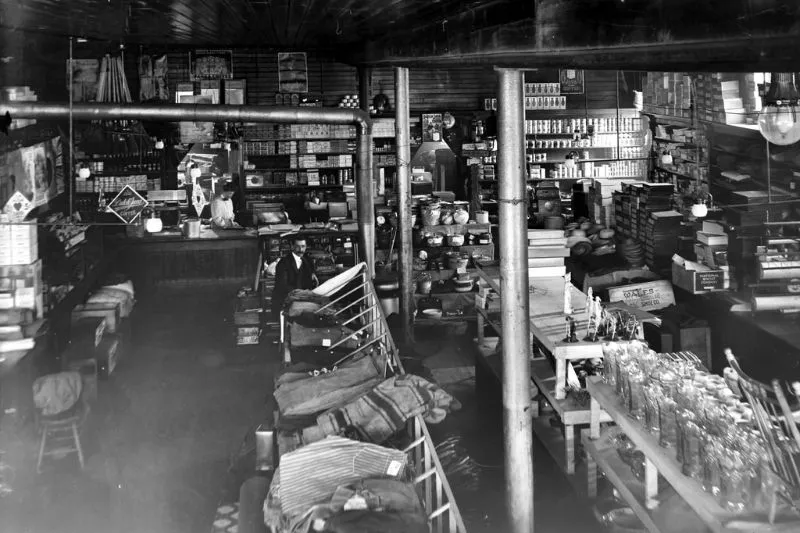
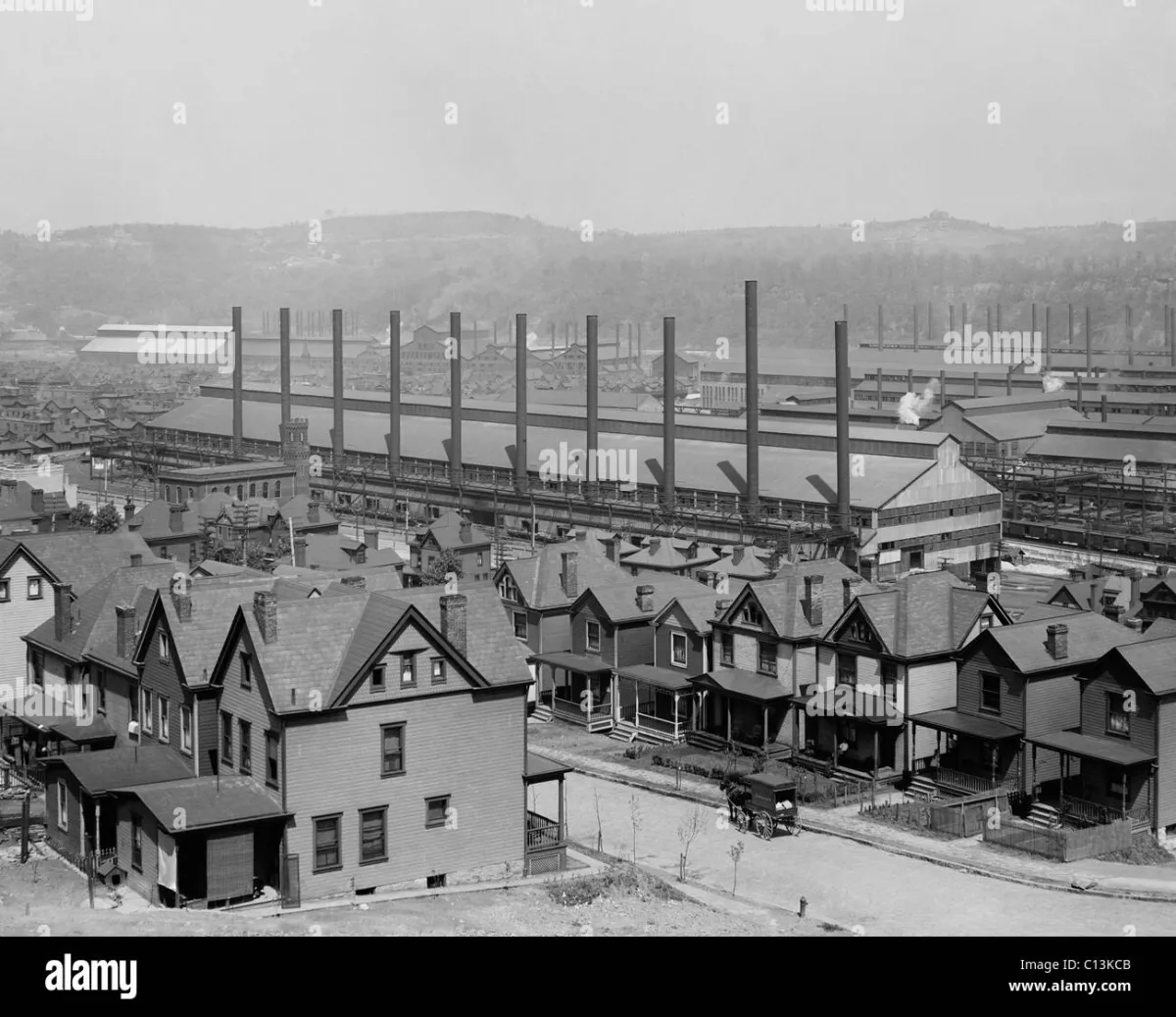 Photo: Homestead, Pennsylvania, via c8.alamy.com
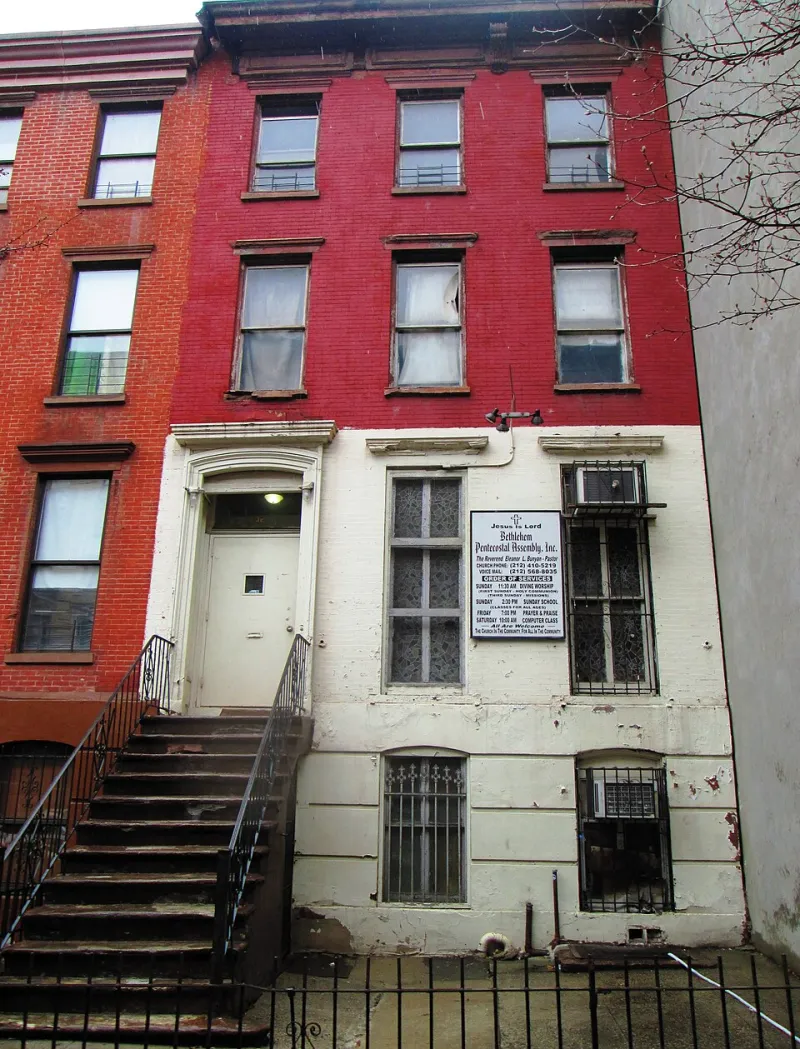
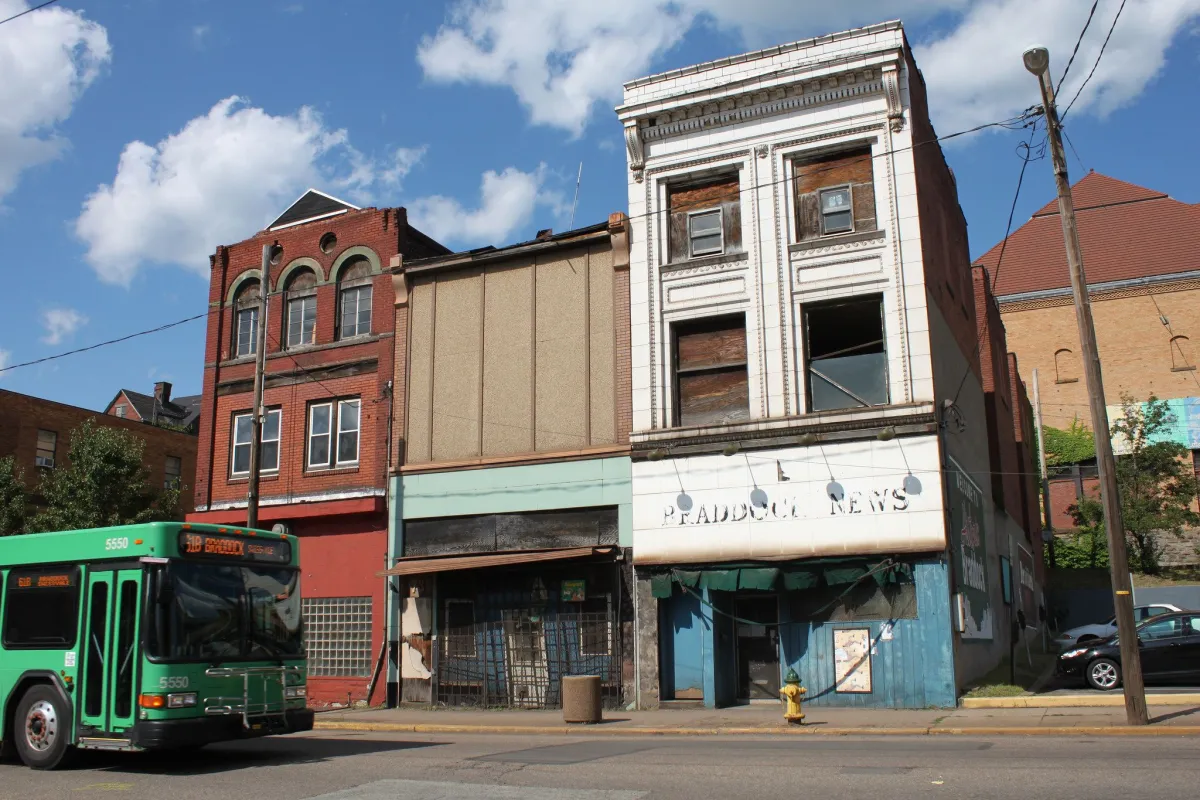 Photo: Braddock, Pennsylvania, via i.pinimg.com
This was the building association in action. And for a few remarkable decades, it quietly financed half of working-class Pennsylvania.
What a Building Association Actually Was
The name sounds almost corporate, but these weren't institutions in any formal sense. A building association — sometimes called a loan club or a workingmen's association — was essentially a rotating credit pool organized among people who already knew and trusted each other. Think of it as the financial equivalent of a barn raising.
Here's how it typically worked: a group of workers, usually anywhere from a dozen to fifty men, would agree to contribute a fixed amount each week or month into a shared pool. When the pot grew large enough, members could bid or draw for the right to borrow the full sum. The borrower would then repay the pool over time, with a modest interest payment that got split among the remaining members as a return on their contributions.
In Pennsylvania's mill towns — Homestead, Braddock, Duquesne, McKeesport — these clubs often organized along ethnic lines. Slovak steelworkers had their own circles. Polish workers had theirs. Italian immigrants formed tight-knit associations that sometimes overlapped with mutual aid societies and church groups. The overlap wasn't accidental. Trust was the currency, and trust ran deepest along shared language and shared Sunday pews.
The loans weren't just for houses, though homeownership was the most common goal. Workers borrowed to cover medical emergencies, to bring relatives over from Eastern Europe, to buy out a small grocery or a barbershop. The building association was, in practical terms, a full-service community bank — without the marble lobby or the three-piece suit.
Why the Banks Didn't Want Them First
It's worth pausing on why these informal clubs existed at all. It wasn't because Pennsylvania steelworkers were unbanked by accident.
In the early 1900s, commercial banks had little interest in working-class borrowers. Lending to an immigrant mill hand with no collateral and irregular English was considered bad business. Formal mortgage products were largely inaccessible to anyone without established credit history or connections to the right social circles — which, in those towns, meant the plant managers and the merchants, not the men on the floor.
So workers built their own system. And by most accounts, it functioned with impressive reliability. Default rates within these clubs were remarkably low, partly because social pressure was an extraordinarily effective enforcement mechanism. You didn't skip your weekly payment when the man you owed money to operated the ladle next to yours for ten hours a day.
The Slow Disappearance
The building associations didn't vanish overnight. Their decline tracked almost perfectly with the expansion of national banking into working-class communities — a process that accelerated through the 1930s and especially after World War II.
The New Deal brought federally chartered savings and loan associations and, eventually, FHA-backed mortgages that made homeownership accessible to a broader slice of the population. These were genuine improvements in many ways. But they also came packaged with standardization, paperwork, and institutional logic that quietly displaced the informal networks that had served mill workers for decades.
By the time Levittown was being built and GIs were lining up for VA loans, the building association had largely faded from memory. The men who'd run them retired or died. Their children, newly middle-class and newly mortgaged, had little reason to recreate what their fathers had improvised out of necessity.
There's also a less flattering explanation. As banks began courting working-class depositors and borrowers, the informal clubs looked increasingly like competition — unregulated, tax-advantaged competition, at that. State banking regulations, tightened through the mid-20th century, made it progressively harder to operate anything that looked like a lending pool without a charter and a compliance officer.
What They Got Right That We Keep Forgetting
Here's the part that should probably make modern financial planners a little uncomfortable: the building associations, by most historical accounts, charged lower effective rates than contemporary alternatives, had higher repayment rates than formal lenders expected from similar borrowers, and generated genuine community wealth in neighborhoods that formal capital markets had written off entirely.
The reason isn't complicated. When lenders and borrowers live in the same community, shop at the same stores, and send their kids to the same schools, the incentive structure changes. Lending becomes less about risk-adjusted returns and more about collective advancement. Borrowers have skin in the game beyond their credit score.
Modern rotating savings and credit associations — ROSCAs — operate on exactly the same principle and remain common across immigrant communities in the US today. Somali, Ethiopian, and Korean communities in American cities run versions of these clubs that would be instantly recognizable to a Slovak steelworker from Homestead in 1910.
The infrastructure was never the point. The trust was.
A Vault Worth Reopening
The lunch bucket loan club is one of those financial innovations that got quietly archived when something shinier came along. But the underlying logic — that people who know each other can lend to each other more efficiently and more humanely than institutions can — hasn't aged a day.
Next time someone pitches you on fintech disrupting community banking, it's worth remembering that a bunch of exhausted steelworkers in western Pennsylvania already ran that experiment. They just didn't have a pitch deck.