Railroad Brotherhoods Were Running Retirement Accounts Before Congress Knew What One Was
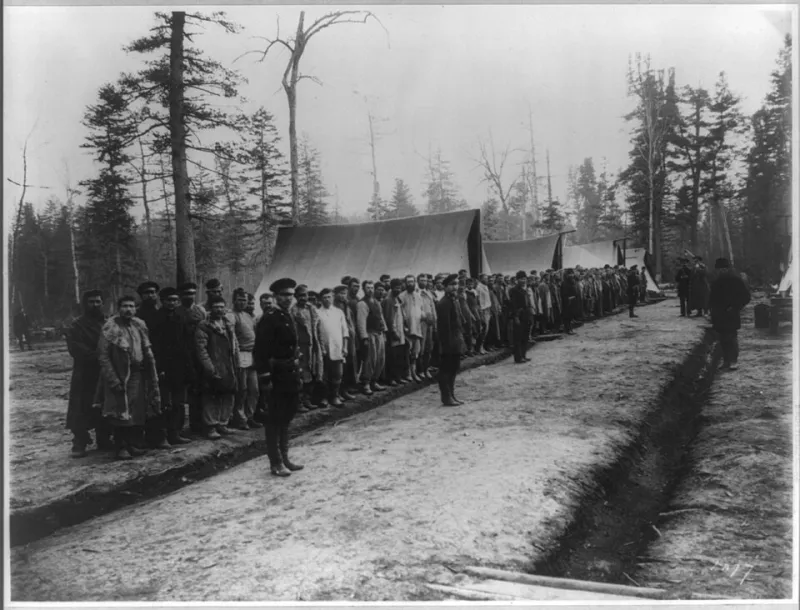
Photo: William Henry Jackson, Public domain, via Wikimedia Commons
The 401(k) is usually presented as a happy accident — a 1978 tax code provision that a benefits consultant named Ted Benna noticed and turned into a retirement savings revolution. That story is true, as far as it goes. But it skips a rather important chapter that happened about seven decades earlier, in the meeting halls and payroll offices of America's railroad labor brotherhoods.
 Photo: Ted Benna, via static.stacker.com
Because long before Congress wrote a single line about employer-sponsored retirement savings, railroad workers had already built something that looked almost identical — voluntary, payroll-deducted, diversified, and managed collectively for long-term financial security. They just didn't have a catchy alphanumeric name for it.
The Brotherhood Model Nobody Remembers
The major railroad labor brotherhoods — the Brotherhood of Locomotive Engineers, the Brotherhood of Railroad Trainmen, the Order of Railway Conductors — were among the most powerful labor organizations in late nineteenth and early twentieth century America. They were also, quietly, some of the most financially sophisticated.
 Photo: Brotherhood of Locomotive Engineers, via pngset.com
By the 1880s and into the early 1900s, several brotherhoods had developed what they called voluntary benefit and investment associations operating alongside their core mutual aid functions. The mechanics varied by brotherhood, but the core structure was consistent: members could authorize a portion of their wages to be deducted before they ever saw the paycheck and directed into a pooled investment fund administered by the brotherhood.
Those funds didn't just sit idle. Brotherhood financial officers — often surprisingly well-versed in investment practice for the era — allocated pooled capital across a range of holdings. Railroad bonds were a natural choice, given the industry familiarity. But many pools also held real estate, government securities, and shares in member-affiliated commercial ventures. The diversification wasn't sophisticated by modern standards, but it was genuine.
Members who participated for ten or more years accumulated account balances that, upon retirement or death, provided meaningful financial support. The Brotherhood of Locomotive Engineers went so far as to establish its own banking institution in 1920 — the Brotherhood of Locomotive Engineers Cooperative National Bank — specifically to manage member assets and extend the investment infrastructure.
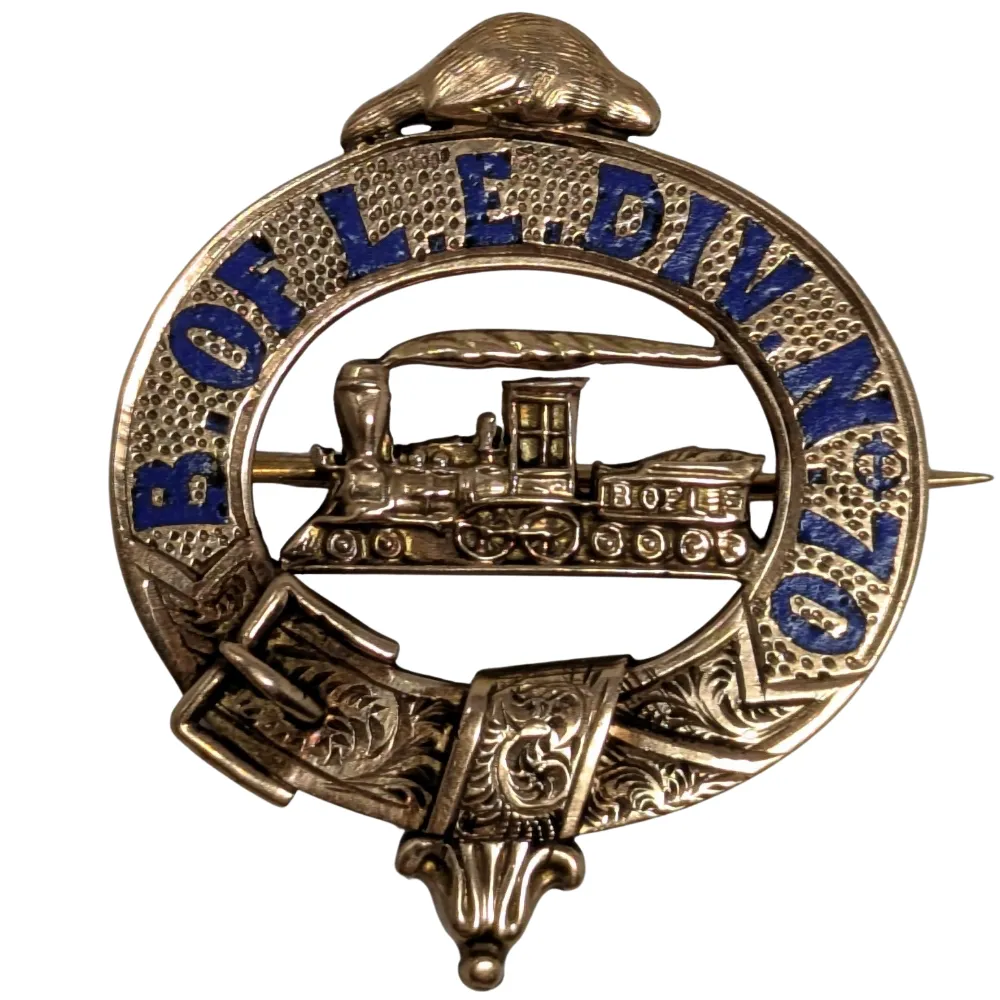 Photo: Brotherhood of Locomotive Engineers Cooperative National Bank, via parrysvintage.com
Why It Worked (And Why That Made It Dangerous)
The brotherhood investment pools worked for several interconnected reasons, most of which also explain why they eventually attracted hostile attention.
Payroll deduction was the foundational mechanism. Workers didn't have to remember to save. They didn't have to exercise willpower against competing spending pressures. The money moved before it reached their hands, which behavioral economists now recognize as one of the most powerful savings interventions available. The brotherhoods figured this out empirically, without any academic framework to justify it.
Collective management kept costs low and aligned incentives. The people running the funds were accountable to the membership, not to shareholders or fee-extracting intermediaries. Administrative overhead was minimal by necessity — these were labor organizations running investment pools as a member service, not financial firms optimizing for profit margins.
And the returns, by accounts from the period, were respectable. Brotherhood members who participated consistently over long careers retired with accumulated balances that significantly exceeded what individual savings habits of the era would have produced.
For railroad company owners watching their workforce build financial independence through collective investment, this was not welcome news. Financially secure workers were harder to intimidate, less desperate to accept deteriorating conditions, and more capable of sustaining strikes. The investment pools weren't just retirement savings. They were, from the ownership perspective, a threat to the labor power balance.
The Systematic Dismantling
The campaign against brotherhood financial autonomy didn't happen all at once. It was incremental, legislative, and thoroughly effective.
Railroad company owners lobbied aggressively throughout the early twentieth century for regulations that would constrain brotherhood financial activities. Their arguments, pitched to sympathetic legislators and banking industry allies, framed collective worker investment pools as a financial stability risk — unregulated, opaque, potentially fraudulent. Never mind that most of the actual financial fraud of the era was happening in the banking sector, not in brotherhood meeting halls.
The Banking Act of 1933 and subsequent New Deal financial regulations, while genuinely aimed at systemic banking reform, also created a regulatory environment that made informal collective investment pools increasingly difficult to operate. Compliance requirements designed for commercial financial institutions were technically applied to brotherhood investment programs, imposing costs and administrative burdens that many couldn't sustain.
Simultaneously, the Railroad Retirement Act of 1934 — ostensibly a worker protection measure — created a federal retirement system for railroad workers that gradually supplanted the brotherhood programs. The federal system offered genuine benefits, and most workers reasonably chose participation. But it also meant the brotherhood-administered investment pools lost their primary purpose. They wound down over the following decades, and with them went the institutional knowledge of how they'd operated.
By the time Ted Benna was reading tax code footnotes in 1980, nobody in Washington was acknowledging that railroad workers had done something nearly identical a hundred years earlier.
What Wall Street Borrowed Without Mentioning
The structural DNA of the brotherhood investment pools is unmistakable in modern retirement account design. Payroll deduction, pooled diversified investment, long-term accumulation with defined payout structures, employer (or in this case, organization) involvement in administration — these aren't coincidental parallels. They're the same functional logic.
When financial industry figures and policy makers designed the 401(k) framework in the late 1970s and early 1980s, they drew on actuarial research, tax code analysis, and corporate benefits literature. What they didn't draw on, at least not publicly, was the century-old precedent of worker-governed investment pools that had already demonstrated the model's viability.
That omission wasn't necessarily deliberate erasure. Institutional memory is short, and the brotherhood programs had been defunct long enough that few people still working in finance had any direct knowledge of them. But the effect was the same: a worker-originated innovation got reintroduced as a corporate and legislative achievement, with the original inventors nowhere in the acknowledgment.
The Vault Takeaway
The 401(k) is often held up as proof that smart policy and financial industry innovation can create powerful tools for ordinary workers. And it has helped millions of Americans save for retirement — that's real and worth acknowledging.
But the railroad brotherhoods remind us that ordinary workers didn't wait for smart policy. They built the tool themselves, ran it successfully for decades, and watched it get regulated, absorbed, and eventually reinvented by the institutions that had originally worked to shut it down.
Somewhere in that history is a lesson about who actually drives financial innovation in America — and who usually gets the credit.