The Radical Town That Flipped Property Taxes Upside Down — And Almost Solved Poverty
The Town That Broke the Rules
Tucked away in northern Delaware sits a community that most Americans have never heard of, despite the fact that it's been running one of the most radical economic experiments in U.S. history for over 120 years. Arden, Delaware doesn't look particularly revolutionary — just 400 residents living in modest homes on winding, tree-lined streets. But scratch the surface, and you'll find a place that turned conventional property taxation on its head.
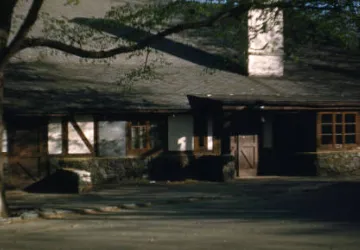 Photo: Arden, Delaware, via archives.delaware.gov
Instead of taxing buildings and improvements, Arden taxes only the land itself. Build a beautiful home, start a business, or improve your property? Your taxes don't go up. Let prime real estate sit empty while neighbors struggle to find affordable housing? Prepare to pay through the nose.
The results of this seemingly simple flip have been quietly remarkable.
The Philosopher's Economic Revolution
Arden was founded on the economic theories of Henry George, a 19th-century economist whose ideas were once so popular that his book "Progress and Poverty" outsold every publication except the Bible. George argued that land — unlike buildings or businesses — wasn't created by human effort, so the profits from land ownership should benefit the community that made that land valuable.
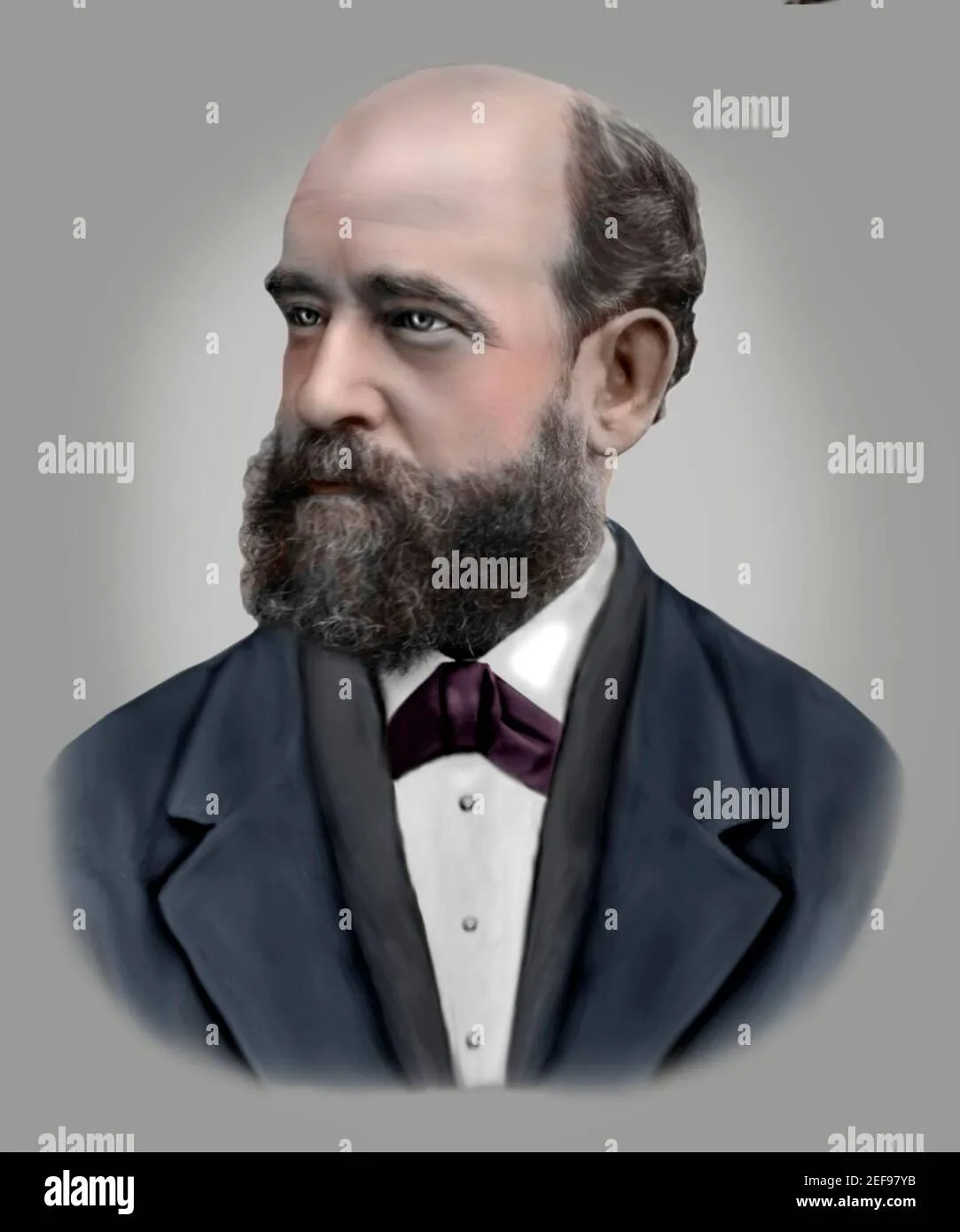 Photo: Henry George, via c8.alamy.com
His solution was elegantly simple: tax land at its full rental value, and eliminate taxes on everything else. No income taxes, no taxes on buildings, no taxes on business equipment. Just one tax on the land itself.
When Arden's founders acquired 162 acres in 1900, they decided to test George's theory in practice. They structured the community as a single-tax experiment, where residents lease their land from a community trust and pay annual fees based purely on land value.
What Happens When You Tax Land, Not Labor
The immediate effect was exactly what George predicted: speculation became unprofitable. In most American communities, vacant lots in desirable areas can sit empty for years while owners wait for prices to rise. In Arden, holding unused land means paying the same taxes as if you'd built something valuable on it.
This created powerful incentives for efficient land use. Residents couldn't afford to let prime lots sit idle, so Arden developed more densely and affordably than comparable communities. The town has maintained a remarkably stable population density for over a century, with virtually no vacant lots.
More surprisingly, the single-tax system seemed to reduce inequality. Because land taxes captured the community-created value of desirable locations, Arden could fund public services without taxing individual productivity. Residents who improved their homes or started businesses kept the full value of their efforts.
The Numbers Tell a Story
While Arden never eliminated poverty entirely, the community maintained unusually stable housing costs relative to surrounding areas. In the 1970s, when housing prices were skyrocketing across Delaware, Arden's land lease fees rose much more gradually. The community's affordable housing stock remained accessible to teachers, artists, and retirees — exactly the middle-class residents being priced out of neighboring towns.
Arden also developed what economists call "efficient land use patterns" decades before urban planners had a term for it. The community features a mix of housing types, small businesses, and common green spaces, all within walking distance. Residents didn't need cars for daily errands, reducing household expenses.
Perhaps most tellingly, Arden never experienced the boom-bust cycles that devastated other communities. During the 2008 housing crisis, while neighboring areas saw foreclosures and abandoned properties, Arden's land lease system provided stability. Residents couldn't speculate on land values, so there was no bubble to burst.
Why the Idea Never Spread
If Arden's system worked so well, why didn't other communities copy it? The answer reveals uncomfortable truths about American politics and economics.
First, existing property owners have enormous political power, and land value taxes threaten their speculative investments. A system that prevents land speculation is great for renters and new buyers, but terrible for anyone hoping to profit from rising property values.
Second, local governments often depend on development fees and property tax increases to fund services. Arden's stable, predictable tax base couldn't generate the revenue spikes that politicians use for new projects.
Finally, the single-tax movement became associated with socialism in the public mind, even though Henry George was actually a fierce defender of free markets and private enterprise. His ideas got caught in ideological crossfire that had little to do with their practical merits.
The Quiet Revival
Today, as housing costs spiral out of control in American cities, a small group of economists and urban planners are rediscovering Henry George's insights. Cities from Detroit to San Francisco are experimenting with land value capture mechanisms — ways to tax land speculation without punishing productive investment.
 Photo: San Francisco, via storage.needpix.com
The results are promising. Detroit's land bank authority uses tax foreclosure to reclaim vacant lots and return them to productive use. San Francisco is exploring land value taxes to fund affordable housing. Even conservative economists like Milton Friedman called land value taxes "the least bad tax" because they don't discourage economic activity.
Arden's century-long experiment provides a working model for what these policies might achieve at scale. The community isn't perfect — it's small, relatively homogeneous, and benefits from Delaware's favorable tax climate. But it proves that alternative approaches to property taxation can work in practice, not just in economic textbooks.
Lessons for Modern America
Arden's most important insight isn't technical — it's philosophical. The community demonstrates that land policy is really about choosing what kind of society we want. Do we want a system that rewards speculation and concentrates wealth among landowners? Or one that makes productive work more profitable than passive ownership?
For over 120 years, Arden has quietly chosen the second path. The results suggest that America's housing crisis isn't inevitable — it's a policy choice. We just need the political courage to make a different choice.