The Brotherhood That Beat Wall Street at Its Own Game — By Ignoring Every Rule Wall Street Made
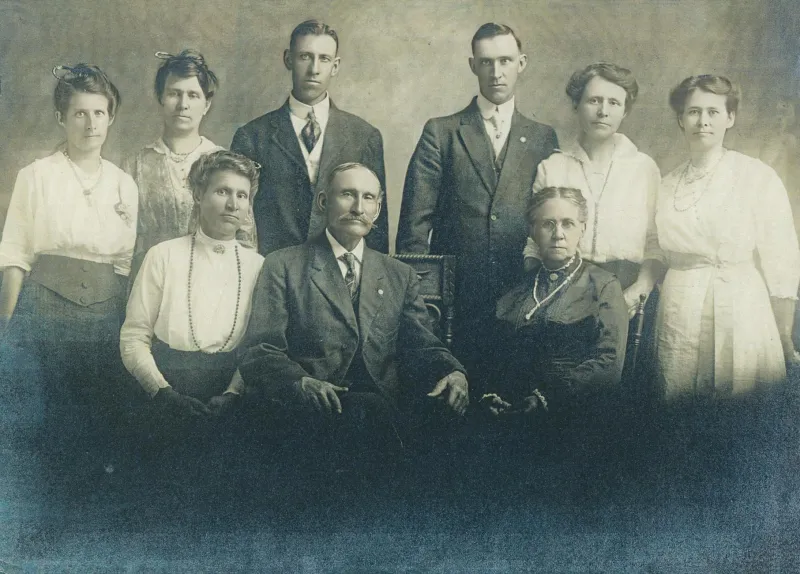
In 1925, a machinist named Frank Kowalski faced a choice that would determine his family's financial future. He could buy life insurance from Metropolitan Life, paying $3.50 monthly for a $1,000 policy with standard terms and no questions asked. Or he could join the Polish National Alliance, pay $2.80 monthly for the same coverage, plus receive retirement benefits, unemployment assistance, and healthcare support.
Kowalski chose the brotherhood. So did millions of other working Americans, creating the most successful retirement system in American history — one that operated completely outside Wall Street's influence.
The Mutual Aid Revolution
Between 1880 and 1940, fraternal organizations provided financial security for over 40% of American families. Groups like the Independent Order of Odd Fellows, Knights of Pythias, and dozens of ethnic mutual aid societies offered comprehensive benefit packages that commercial insurers couldn't match on price or performance.
These weren't primitive charity schemes. The largest fraternal insurers managed assets worth billions in today's dollars, maintained actuarial departments that rivaled commercial companies, and delivered benefits with remarkable consistency. The Modern Woodmen of America alone insured over 750,000 members by 1920, making it larger than most commercial life insurance companies.
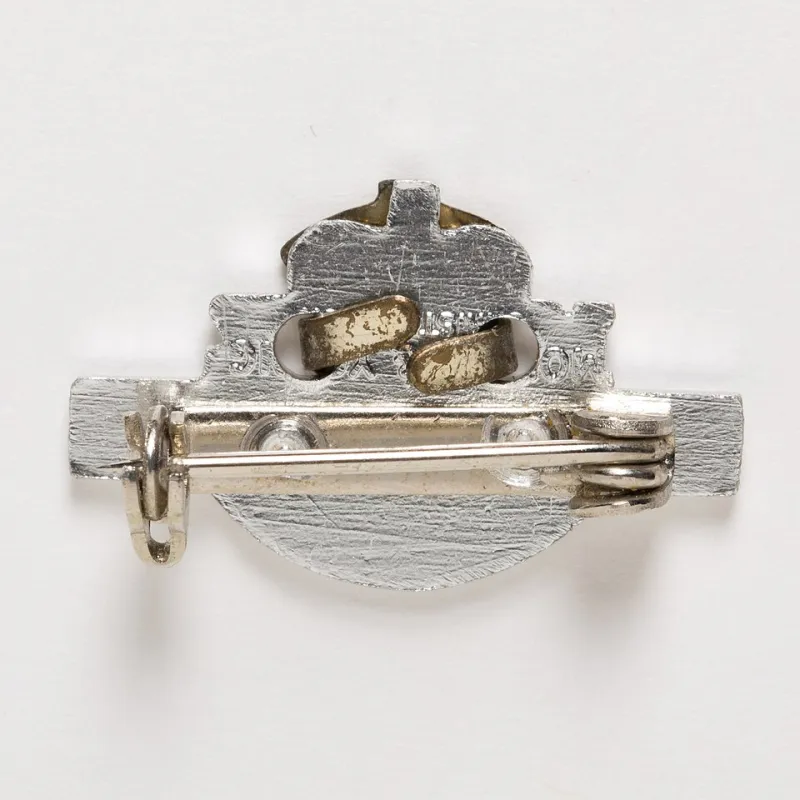
 Photo: Modern Woodmen of America, via lookaside.instagram.com
What made fraternal insurance different wasn't just the lower costs — it was the alignment of incentives that commercial insurers couldn't replicate.
The Economics of Brotherhood
Fraternal organizations operated on a radical principle: members owned the system collectively. There were no shareholders demanding profits, no executives extracting bonuses, no marketing budgets devoted to acquiring customers who might never file claims.
This ownership structure created a virtuous cycle. Lower overhead meant lower premiums. Shared ownership meant members had incentives to keep claims reasonable and help each other avoid risks. Community accountability reduced fraud to negligible levels.
The numbers were stunning. A 1932 government study found that fraternal life insurance cost 30-40% less than comparable commercial policies while maintaining identical benefit levels. Fraternal sick benefits — which covered lost wages during illness — had no commercial equivalent at any price.
The Secret Sauce: Community Underwriting
Commercial insurers relied on medical exams, paperwork, and statistical risk assessment. Fraternal organizations used something more powerful: peer knowledge.
When Mike Petrov applied to join his local Slavonic Benevolent Order lodge, his application didn't go to distant underwriters. It went to neighbors who knew whether Mike drank heavily, worked dangerous jobs, or had family health problems. This community underwriting proved remarkably accurate at predicting risk.
More importantly, it created ongoing accountability. Members knew their claims affected everyone's premiums, so they had incentives to maintain health and avoid unnecessary risks. Lodges organized safety committees, health education programs, and mutual support networks that reduced claims from the ground up.
The result was risk pools that performed better than any statistical model. Fraternal organizations consistently maintained lower claim rates than commercial insurers covering similar populations.
Beyond Insurance: The Full-Service Safety Net
Fraternal benefits went far beyond simple life insurance. Most organizations offered:
Disability Income: Monthly payments for members unable to work, often continuing until recovery or death. Commercial disability insurance was virtually nonexistent for working-class Americans.
Unemployment Relief: Temporary assistance for members who lost jobs, including job placement services through lodge networks. This predated government unemployment insurance by decades.
Retirement Benefits: Pension payments for elderly members, funded through a combination of member contributions and organizational investments. These pensions often provided more secure retirement income than employer-sponsored plans.
Healthcare Support: Many lodges maintained their own hospitals, clinics, or nursing homes exclusively for members. Others negotiated group rates with local physicians.
Educational Benefits: Scholarships for members' children, adult education programs, and business development assistance for members starting enterprises.
This comprehensive approach meant fraternal members enjoyed financial security that wouldn't become widely available through government or employer programs until the 1960s.
The Regulatory Trap
Fraternal insurance's success ultimately triggered its demise. By the 1930s, commercial insurers faced serious competition from organizations that could offer better benefits at lower costs. Their solution wasn't to improve their own products — it was to change the rules.
Insurance regulation, ostensibly designed to protect consumers, systematically disadvantaged fraternal organizations. New capital requirements favored large commercial companies over member-owned mutuals. Standardized policy forms eliminated the customized benefits that made fraternal coverage attractive. Reserve requirements designed for profit-seeking companies didn't account for the different risk profiles of member-owned organizations.
The coup de grâce came with Social Security. Government retirement benefits reduced demand for fraternal pensions, while new tax policies favored employer-sponsored plans over member-owned alternatives. By 1960, fraternal insurance had largely disappeared from American financial life.
What Wall Street Couldn't Copy
The fraternal model's core advantage was something commercial insurers couldn't replicate: genuine community ownership. Members weren't customers — they were co-owners with shared interests in the organization's success.
This created accountability mechanisms that no amount of regulation could duplicate. Members policed each other's behavior, supported each other's health and safety, and made collective decisions about benefit levels and premium adjustments. The result was a risk pool that behaved fundamentally differently from commercial insurance customers.
Commercial insurers tried to copy fraternal benefits through "industrial insurance" policies sold door-to-door in working-class neighborhoods. But without the community ownership structure, these policies suffered from higher fraud rates, less customer loyalty, and weaker risk management. They couldn't match fraternal performance because they couldn't replicate fraternal incentives.
Lessons for Modern Retirement Planning
Today's retirement crisis has rekindled interest in mutual aid approaches. Modern examples include:
Healthcare Sharing Ministries: Religious communities that pool resources to cover medical expenses, operating on principles similar to fraternal sick benefits.
Cooperative Insurance: Member-owned organizations like USAA and certain credit union insurance programs that return surplus premiums to members.
Community Investment Clubs: Groups that pool retirement savings and make collective investment decisions, sharing both risks and returns.
These modern versions face the same regulatory challenges that hobbled historical fraternals, but they demonstrate continued demand for community-controlled financial security.
The Brotherhood Advantage
Fraternal organizations succeeded because they solved a problem commercial insurance couldn't touch: aligning the interests of risk pool participants. When everyone's premiums depend on everyone's claims, people behave differently. They support each other's health, safety, and financial stability because their own security depends on collective success.
This wasn't just good business — it was good community building. Fraternal lodges created social bonds that strengthened neighborhoods, provided mutual support during crises, and built the social capital that made other forms of cooperation possible.
As Americans increasingly question whether Wall Street-managed retirement accounts serve their interests, the fraternal model offers a proven alternative. It suggests that the most reliable retirement security might not come from maximizing individual returns, but from rebuilding the community bonds that make collective security possible.
Sometimes the most sophisticated financial innovation is the oldest one — people taking care of each other, with money following rather than leading the relationship.