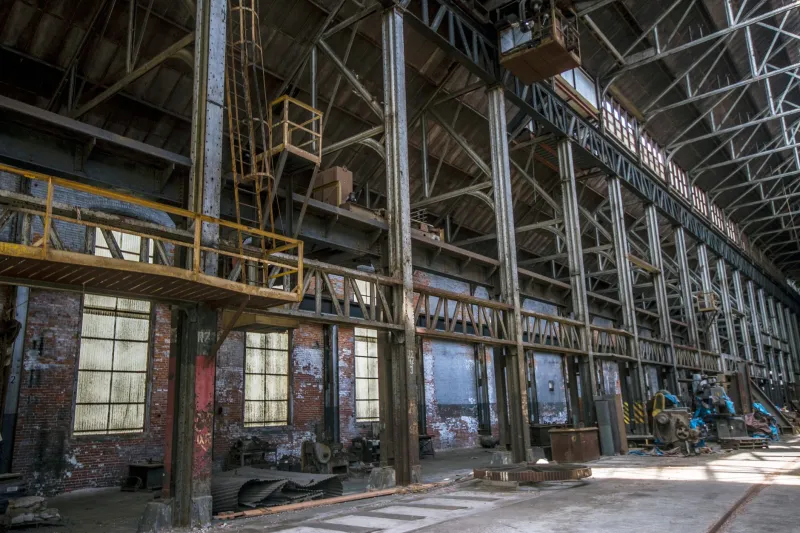
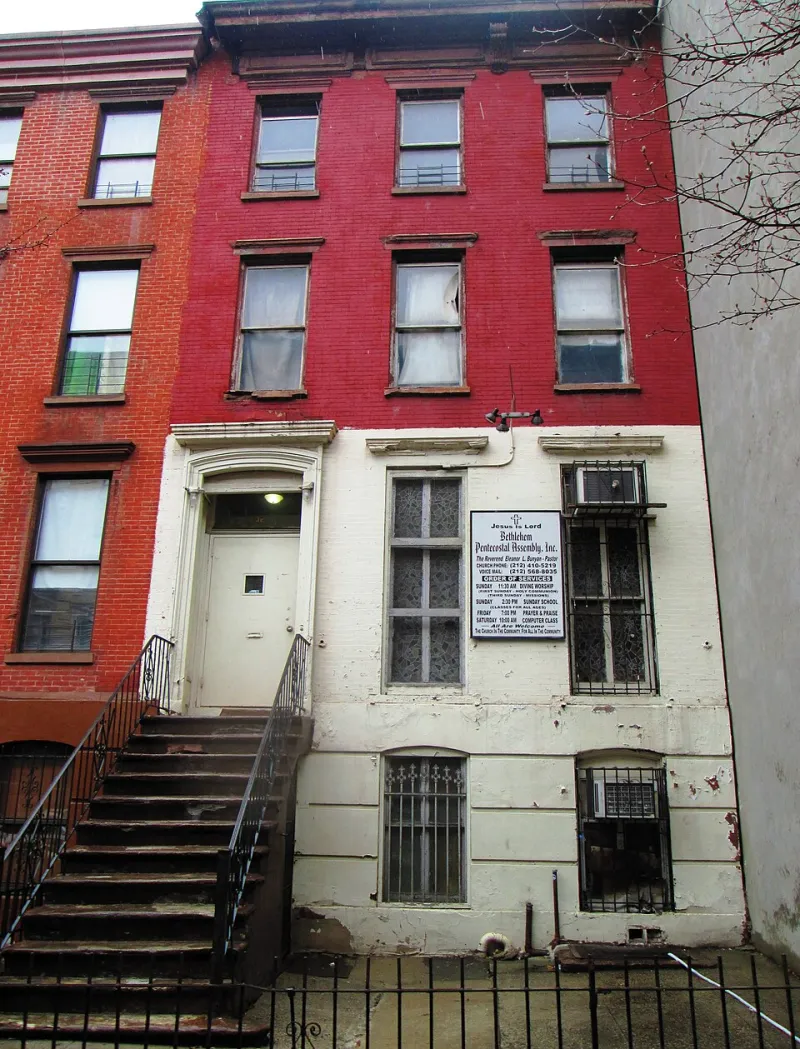
The Secret Economy That Thrived Where Banks Feared to Tread
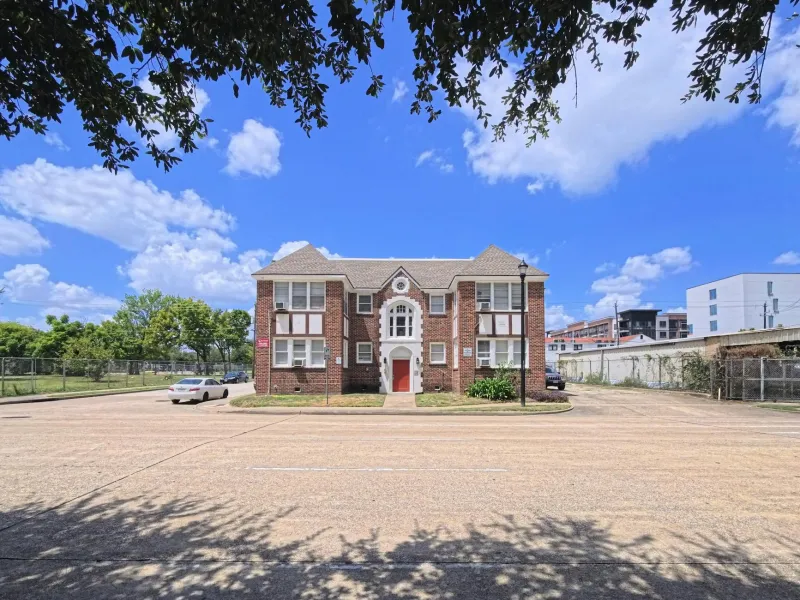
In the shadow of downtown Houston, where gleaming skyscrapers now pierce the Texas sky, once stood America's most successful experiment in community-controlled finance. Freedmen's Town — a neighborhood carved out by former slaves in the 1870s — developed an economic ecosystem so sophisticated that it quietly minted more Black millionaires per capita than anywhere else in the South.
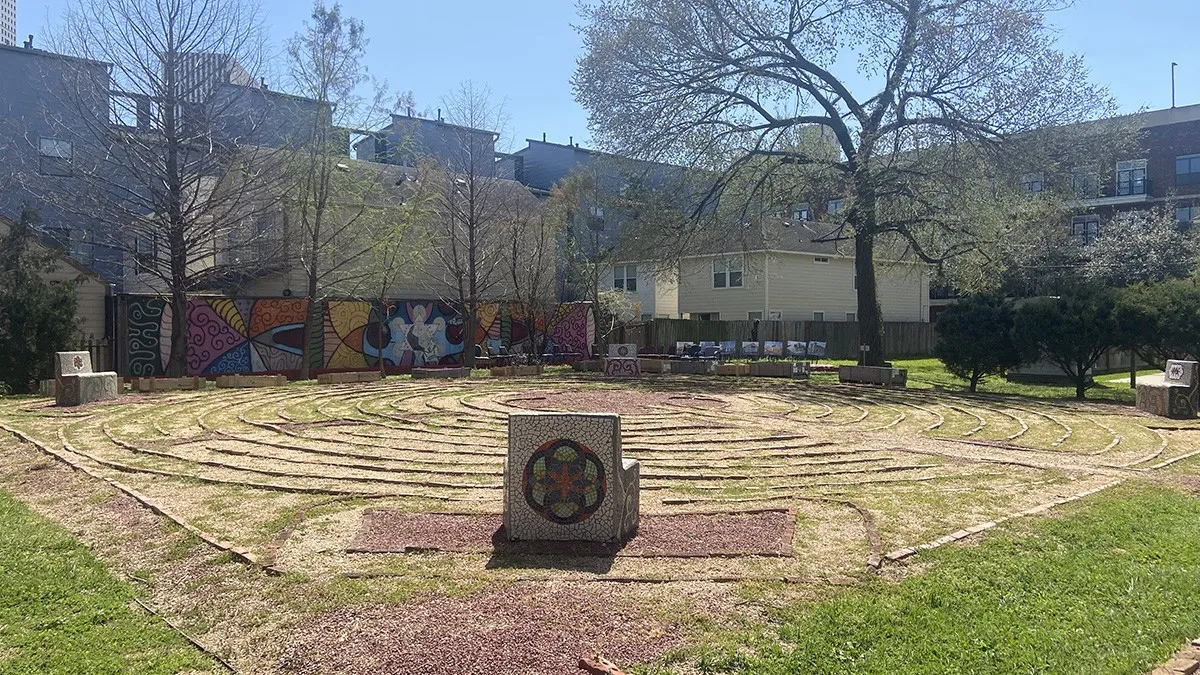 Photo: Freedmen's Town, via www.tclf.org
The twist? They did it all without a single traditional bank.
When Being Locked Out Became an Advantage
After the Civil War, newly freed Americans faced a financial catch-22. Banks wouldn't serve them, but they desperately needed capital to buy land, start businesses, and build lives. In Houston's Fourth Ward, this exclusion sparked something remarkable: a parallel economy that operated on principles Wall Street had never imagined.
The neighborhood's financial backbone wasn't built on credit scores or collateral — it ran on what residents called "character lending." Local shop owners, barbers, and seamstresses formed informal lending circles where your reputation determined your borrowing power. Miss three church services? Your loan application got tougher scrutiny. Help rebuild a neighbor's storm-damaged roof? Your next business loan came with better terms.
The Barbershop Banking Revolution
At the heart of this system sat an unlikely financial institution: Richard Allen's barbershop on Andrews Street. By day, Allen trimmed hair and shaved faces. By evening, his shop transformed into the neighborhood's unofficial bank, where residents gathered to pool resources for major purchases.
 Photo: Richard Allen, via www.the-sun.com
Allen's innovation was elegantly simple. Instead of individual savings accounts, he organized "investment rounds" — groups of 10-15 families who contributed weekly to a shared fund. Each month, one family received the entire pot to buy property, expand a business, or weather an emergency. The system rotated until everyone had their turn.
What made this work wasn't just trust — it was transparency. Every transaction happened in full view of the community. Allen kept meticulous records in a ledger that anyone could inspect. Default rates stayed remarkably low because financial reputation affected everything from marriage prospects to business partnerships.
Real Estate Strategies That Would Impress Modern Investors
Freedmen's Town residents developed property investment techniques that wouldn't look out of place in a contemporary real estate seminar. They practiced what we'd now call "house hacking" — buying multi-family properties, living in one unit, and renting out the others to cover mortgage payments.
More impressively, they pioneered community land trusts decades before the concept gained academic recognition. Families would pool resources to buy large parcels, then subdivide and sell to community members at cost. This kept property ownership local and prevented outside speculation from driving up prices.
The neighborhood's most successful entrepreneur, Sarah Campbell, started with a single boarding house in 1885. By 1920, she owned seventeen properties across Houston and had quietly become one of the city's wealthiest residents — all through reinvesting rental income and leveraging her community connections for favorable deals.
 Photo: Sarah Campbell, via i.pinimg.com
The Network Effect of Mutual Success
What set Freedmen's Town apart wasn't just individual wealth creation — it was how success multiplied across the community. Successful business owners were expected to mentor newcomers and provide startup capital for promising ventures. This created a virtuous cycle where each generation built on the last.
Local churches served as business incubators, hosting weekly "enterprise meetings" where aspiring entrepreneurs pitched ideas to established business owners. The best concepts received not just funding, but ongoing mentorship and customer referrals. This informal venture capital system launched dozens of successful enterprises, from construction companies to catering businesses.
Why It All Disappeared
By the 1940s, Freedmen's Town was generating more tax revenue per square mile than most Houston neighborhoods. That success, ironically, sealed its fate. City planners targeted the area for "urban renewal," claiming the dense, walkable neighborhood was blighted and needed highway access.
The community's financial networks couldn't survive forced relocation. When families scattered across Houston's suburbs, the social bonds that made character lending possible dissolved. Traditional banks, now legally required to serve Black customers, offered individual accounts and loans — but nothing that replicated the community accountability and shared success of the old system.
Lessons for Modern Finance
Freedmen's Town's financial innovations are quietly resurging in unexpected places. Community investment cooperatives in cities like Oakland and Detroit use rotating savings models nearly identical to Allen's barbershop system. Immigrant communities across America maintain informal lending circles that operate on reputation rather than credit scores.
Even Silicon Valley has taken notice. Several fintech startups now offer "community-backed loans" where friends and family can co-sign digitally, spreading risk while maintaining social accountability. It's a high-tech version of what Houston's Fourth Ward perfected with pencil and paper.
The deeper lesson isn't about specific financial tools — it's about the power of aligned incentives. When everyone's success depends on the community's prosperity, people make different choices. They invest locally, support each other's ventures, and prioritize long-term stability over short-term gains.
Freedmen's Town proved that when traditional finance fails entire communities, those communities can build something better. Their blueprint for wealth creation didn't just enrich individuals — it strengthened the social fabric that made prosperity possible in the first place.
That's a vault of wisdom worth rediscovering.