When Regular People Became Dispute Resolution Experts
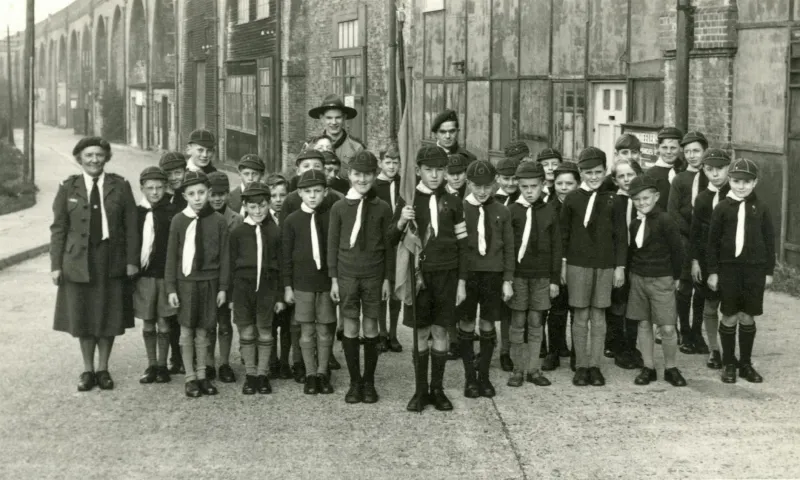
Mrs. Eleanor Kowalski had never mediated anything more complicated than arguments between her three children. But in the spring of 1943, she found herself sitting across from an angry landlord and a frustrated tenant, trying to resolve a rent dispute that could have ended up in federal court.
 Photo: Eleanor Kowalski, via cdn20.pamono.com
The reason? America's wartime rent control system was drowning in complaints, and the government had accidentally created the most effective financial negotiation training program in the country's history.
The Housing Crisis That Broke the System
By 1942, America's entry into World War II had triggered a massive housing shortage. Defense workers flooded into industrial cities, competing for apartments with families already struggling with wartime rationing and inflation. Landlords, sensing opportunity, began hiking rents at rates that would make today's housing market look reasonable.
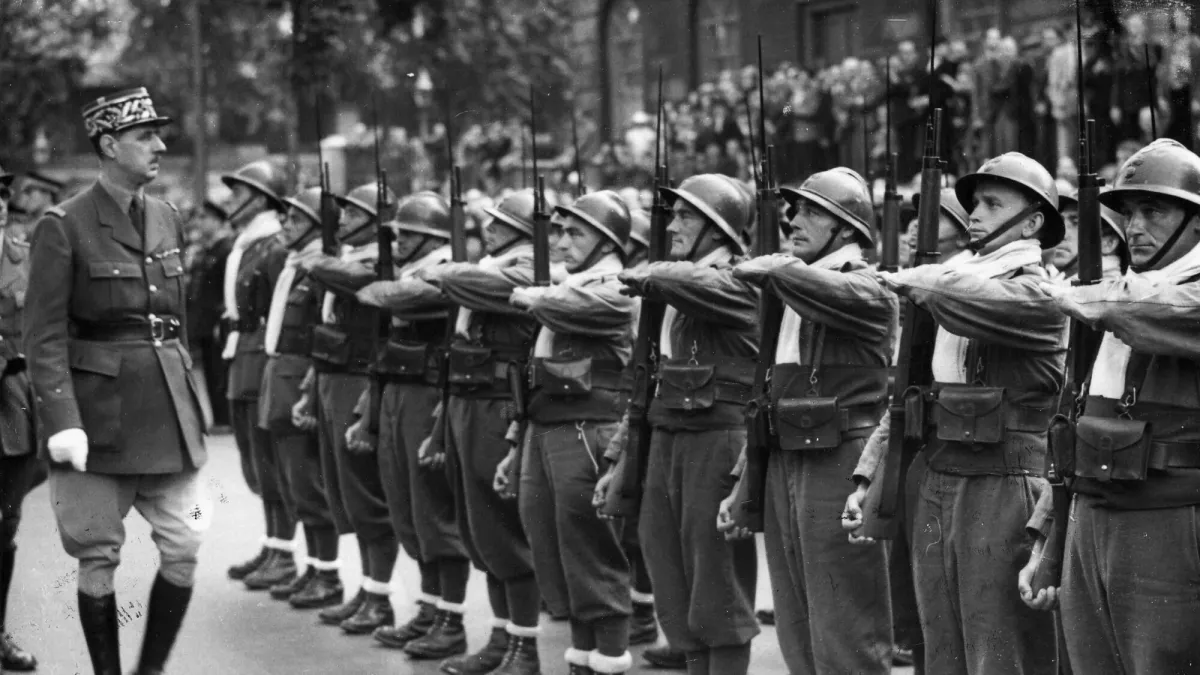 Photo: World War II, via warfarehistorynetwork.com
Congress responded with the Emergency Price Control Act, freezing rents at March 1942 levels. Suddenly, every rental dispute in America became a federal matter, subject to review by the Office of Price Administration (OPA).
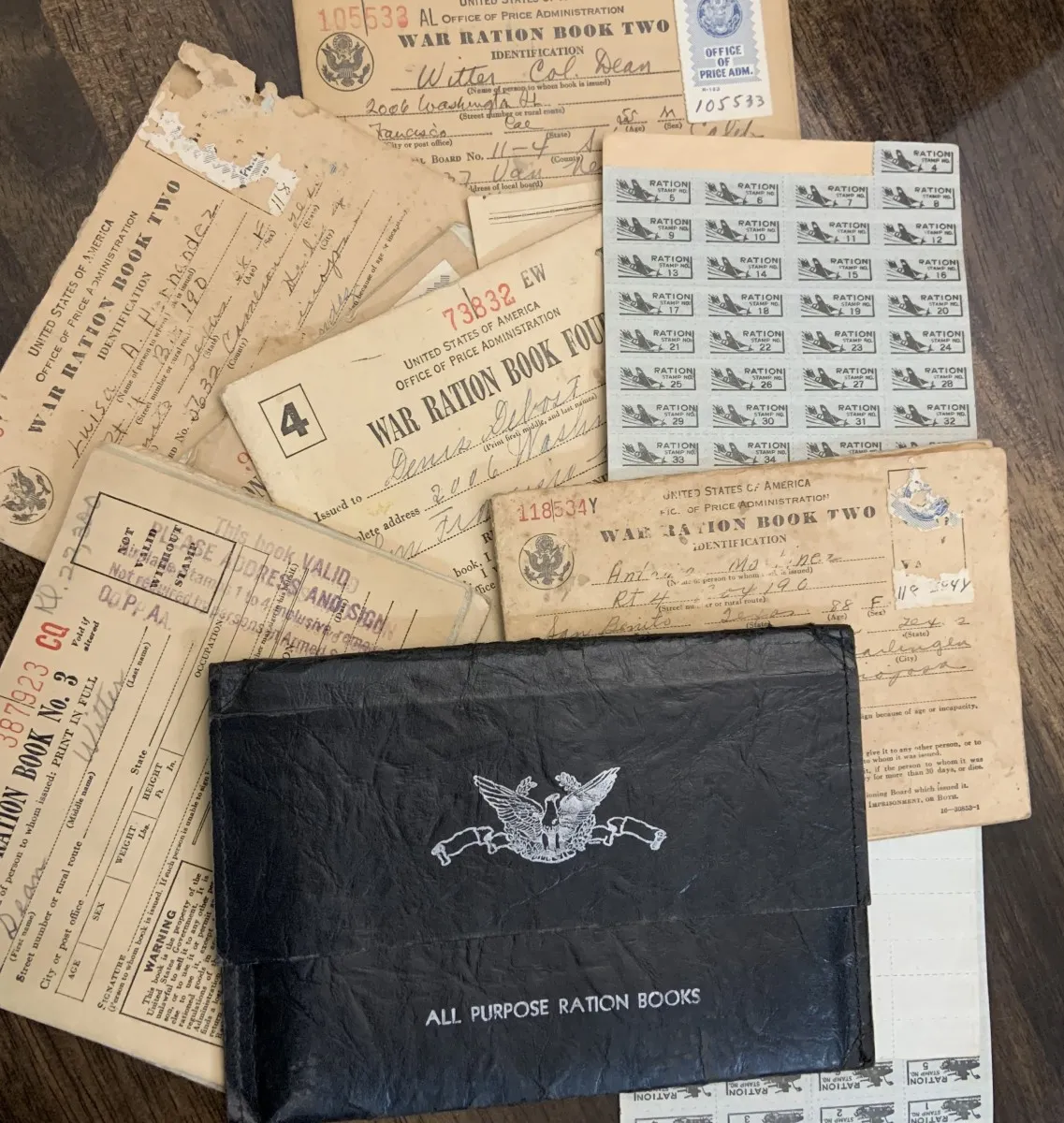 Photo: Office of Price Administration, via images.saymedia-content.com
The problem was scale. The OPA received over 30,000 rent complaints per month, but had fewer than 200 trained investigators nationwide. Courts were already backlogged with wartime legal matters. Something had to give.
The Accidental Experiment in Community Justice
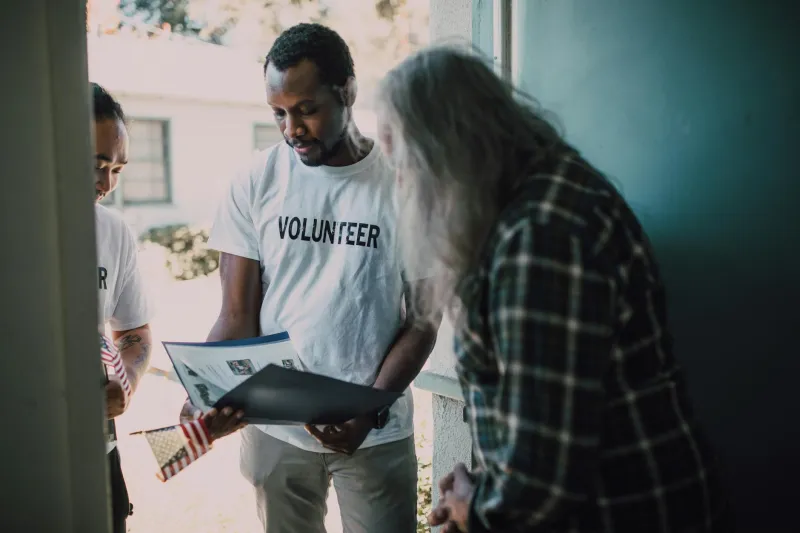
Faced with an impossible caseload, OPA regional directors began recruiting volunteers from local communities to handle routine disputes. These weren't lawyers or trained mediators — they were housewives, shopkeepers, retired teachers, and factory workers who had shown good judgment in community organizations.
The volunteers received a single day of training covering basic rent control regulations, then were turned loose to resolve disputes that would have required weeks of formal legal proceedings.
What happened next surprised everyone: the volunteer mediators were remarkably effective.
The Kitchen Table Courtroom Revolution
Unlike formal legal proceedings, these community mediation sessions felt more like neighborhood problem-solving meetings. They typically took place in church basements, community centers, or even volunteers' homes.
The informal setting changed everything about how disputes were resolved:
Direct Communication: Without lawyers as intermediaries, landlords and tenants had to explain their positions directly to each other. This often revealed misunderstandings that formal legal processes would have missed.
Creative Solutions: Volunteer mediators weren't constrained by legal precedent. They could suggest practical compromises that judges might not have considered — like payment plans, property improvements in lieu of rent, or temporary arrangements during family emergencies.
Community Context: Local volunteers understood neighborhood dynamics that distant bureaucrats couldn't grasp. They knew which landlords were genuinely struggling and which tenants were facing temporary hardships versus chronic problems.
Speed: Most disputes were resolved in a single session lasting 2-3 hours, compared to months of court proceedings.
The Skills That Nobody Meant to Teach
Participating in this system — whether as mediators, landlords, or tenants — inadvertently taught Americans sophisticated negotiation and conflict resolution skills:
Active Listening: Volunteer mediators learned to identify the real issues behind stated positions. Often, disputes that seemed to be about money were actually about respect, communication, or unmet expectations.
Interest-Based Problem Solving: Without legal training to fall back on, mediators naturally focused on finding solutions that addressed both parties' underlying needs rather than determining who was "right."
Financial Communication: Tenants learned to articulate their financial situations clearly and propose realistic payment arrangements. Landlords learned to explain their constraints and explore alternatives to immediate eviction.
Emotional Regulation: The informal setting required participants to manage their emotions and engage constructively, skills that proved valuable in all kinds of financial negotiations.
The Ripple Effects That Lasted Decades
The wartime mediation experience created a generation of Americans who approached financial disputes differently. They had learned that most conflicts could be resolved through direct communication and creative problem-solving, without involving lawyers or formal legal proceedings.
This showed up in unexpected ways throughout the 1950s and 1960s:
Business Negotiations: Veterans who had participated in rent mediation often became the most effective negotiators in their companies, approaching contract disputes and partnership conflicts with collaborative rather than adversarial mindsets.
Community Organizations: Former mediators frequently became leaders in PTAs, civic groups, and neighborhood associations, bringing sophisticated conflict resolution skills to volunteer roles.
Family Financial Planning: Parents who had learned to negotiate rent disputes often taught their children to approach financial disagreements as problems to be solved rather than battles to be won.
When the Lawyers Took Everything Back
Rent control ended abruptly in 1947, and with it, the community mediation system. Legal professionals, who had initially supported the volunteer program as a wartime emergency measure, quickly moved to reclaim control over dispute resolution.
Bar associations argued that complex legal matters required professional expertise. Real estate organizations pushed for formal procedures that would protect property rights. Consumer advocates worried that informal mediation favored landlords with superior bargaining power.
Within five years, nearly all rental disputes were back in formal legal channels, handled by lawyers and judges rather than community volunteers.
What We Lost When Expertise Took Over
The return to formal legal processes solved some problems but created others:
Cost Barriers: Legal representation made dispute resolution expensive, pricing out many tenants and small landlords who couldn't afford attorneys.
Adversarial Mindset: Court proceedings encouraged zero-sum thinking, where one party's gain required the other's loss.
Delayed Resolution: Legal proceedings that had been resolved in hours now took months or years.
Lost Community Knowledge: Distant judges replaced local mediators who understood neighborhood dynamics and individual circumstances.
The Modern Revival in Unexpected Places
Interestingly, some of the most effective financial dispute resolution today happens in settings that mirror the wartime mediation system:
Corporate Mediation: Many businesses now use trained mediators to resolve contract disputes, finding that collaborative approaches often produce better outcomes than litigation.
Community Development: Housing counseling organizations and community land trusts often use informal mediation to resolve landlord-tenant conflicts.
Online Platforms: Some fintech companies have built mediation features into their dispute resolution processes, recognizing that direct communication often solves problems faster than formal procedures.
The Lessons That Survived the Program
While the wartime mediation system ended, its core insights remain relevant for anyone dealing with financial disputes:
Most Conflicts Are Solvable: The vast majority of financial disagreements stem from miscommunication or misaligned expectations rather than fundamental incompatibility.
Direct Communication Beats Formal Procedures: People often resolve disputes quickly when they can speak directly to each other without legal intermediaries.
Creative Solutions Exist: Rigid legal frameworks often miss practical compromises that could satisfy both parties.
Local Context Matters: Community members often understand situations better than distant experts.
Mrs. Kowalski and thousands of other wartime volunteers proved that ordinary Americans could handle complex financial disputes with wisdom, fairness, and efficiency. Their accidental training program created negotiation skills that lasted lifetimes.
In our current era of expensive legal proceedings and adversarial financial relationships, maybe it's time to remember what dispute resolution looked like when regular people were trusted to solve their own problems.