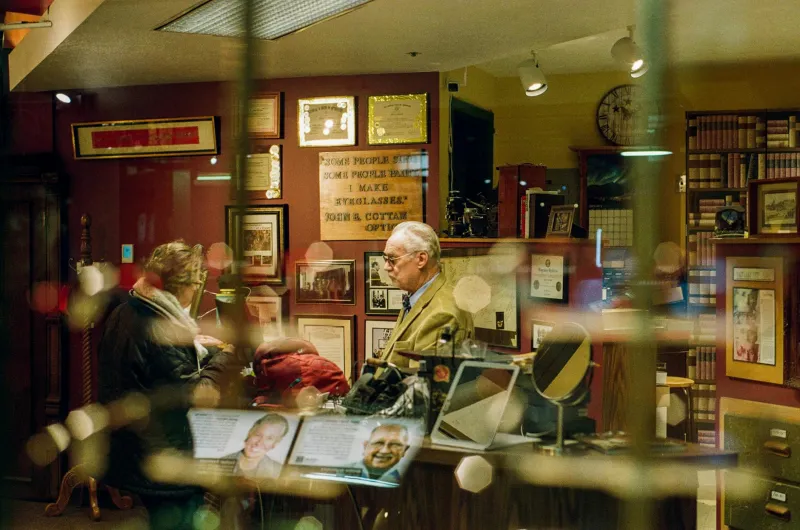
The Banker Who Wasn't a Banker
In 1925, if you walked into Morris Goldstein's pawn shop on Manhattan's Lower East Side, you might have found a public school teacher pawning her grandmother's ring to pay rent until her next paycheck, a small grocery store owner using his inventory as collateral for emergency cash, or a traveling salesman temporarily hocking his watch to cover unexpected expenses.
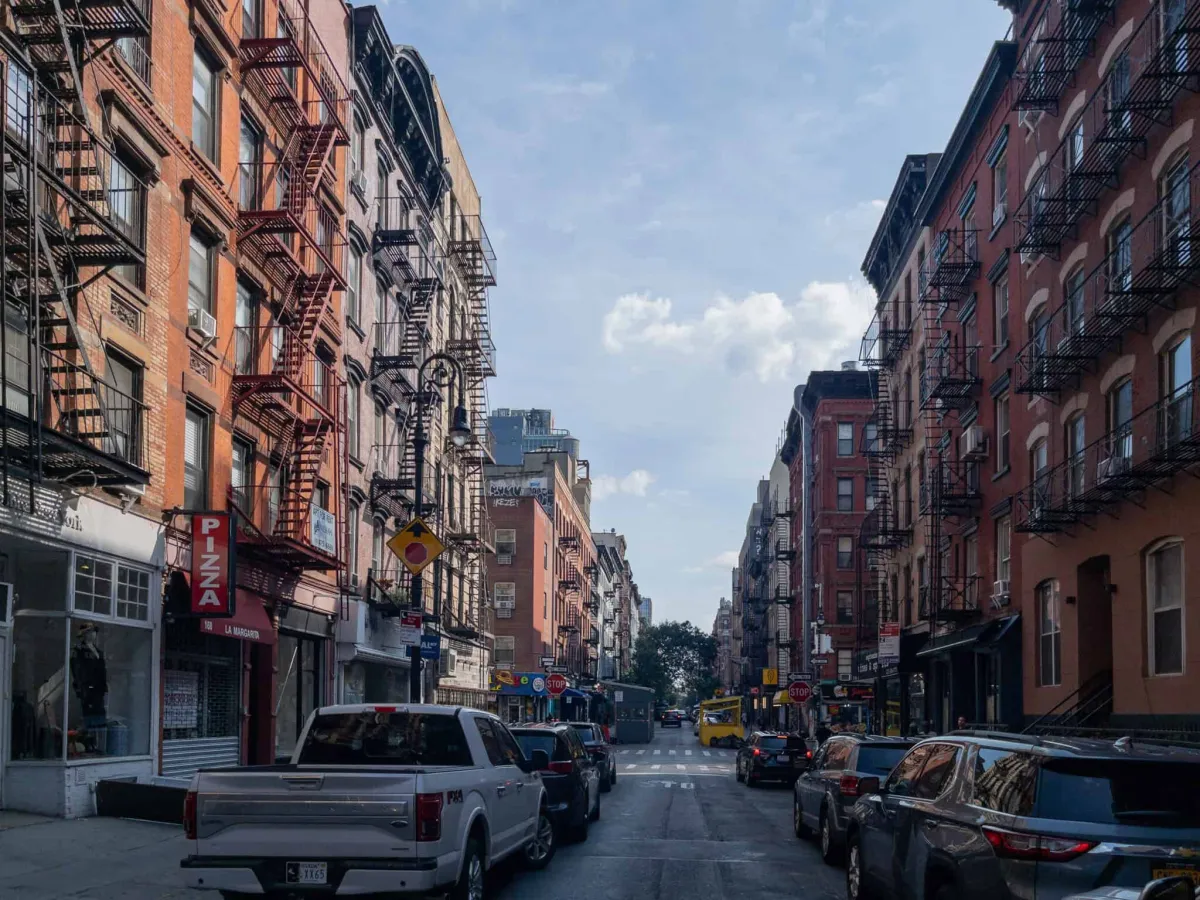 Photo: Manhattan's Lower East Side, via gonewyork.com
None of these customers felt shame about their transactions. In pre-credit card America, Goldstein's shop — like thousands of others across the country — served as a legitimate financial institution for people banks simply wouldn't serve.
When Pawnshops Were Part of Polite Society
Before the 1950s, pawnbroking occupied a completely different place in American society. Major newspapers ran pawnshop advertisements alongside bank promotions. City directories listed pawnbrokers in the same business sections as other financial services. Police officers, teachers, clerks, and small business owners regularly used pawn shops for short-term liquidity without social stigma.
"The pawnshop was essentially a working person's bank," explains Dr. Rachel Martinez, who studies the history of alternative financial services at NYU. "Banks required significant minimum balances, extensive paperwork, and often personal references from established customers. For most Americans, banks were simply inaccessible."
Pawnshops, by contrast, operated on a simple premise: bring in something valuable, get cash immediately, and reclaim your item when you could afford the loan plus interest. No credit checks, no employment verification, no waiting periods.
The Surprising Respectability of the Pledge Counter
Historical records reveal that pawnshop customers included a much broader cross-section of society than modern stereotypes suggest. A 1923 survey of Chicago pawnshops found that regular customers included:
- Public school teachers (who were paid only during the school year)
- Seasonal workers like construction crews and dock workers
- Small shopkeepers who needed cash flow between wholesale purchases
- Traveling salesmen who faced irregular income
- Recent immigrants building credit histories
- Middle-class families facing temporary financial emergencies
"My grandmother, who taught elementary school in Brooklyn, used the neighborhood pawnshop every summer," recalls financial historian Dr. James Chen. "Teachers weren't paid during summer break, so she'd pawn her jewelry in June and retrieve it in September when school started. It was just practical money management."
The System That Actually Worked
Unlike modern payday lending, traditional pawnbroking created genuine mutual benefit. Customers got immediate cash without credit checks or lengthy approval processes. Pawnbrokers earned steady returns on secured loans with virtually no default risk — if customers couldn't repay, the collateral covered the debt.
The regulatory structure also protected consumers. Most cities required pawnbrokers to hold items for specific periods before sale, giving customers time to reclaim their property. Interest rates were typically regulated by municipal authorities, preventing exploitation.
"It was transparent and straightforward," Martinez notes. "You knew exactly what you were getting, what it would cost, and what would happen if you couldn't pay. There were no hidden fees or complex terms."
The Banking Revolution That Changed Everything
After World War II, American banking underwent a dramatic transformation. The GI Bill made homeownership accessible to millions of veterans, creating new relationships between middle-class families and banks. Credit cards, introduced in the 1950s, provided the instant liquidity that pawnshops had traditionally offered.
Simultaneously, suburbanization moved middle-class customers away from urban pawnshops, which had typically operated in dense downtown business districts. As banks expanded into suburbs and began marketing to broader demographics, pawnshops lost their middle-class customer base.
"The same teachers and shop owners who had used pawnshops for decades suddenly had access to bank loans and credit cards," explains economic historian Dr. Patricia Williams. "Pawnshops went from serving mainstream customers to serving people banks still wouldn't touch."
The Stigma That Stuck
As pawnshops' customer base shifted toward lower-income Americans, popular perception shifted too. What had once been seen as a practical financial service became associated with desperation and poor financial management. Hollywood reinforced these stereotypes, portraying pawnshops as seedy establishments frequented only by criminals and destitute people.
This stigmatization became self-reinforcing. As middle-class customers stopped using pawnshops, the shops had less incentive to maintain respectable appearances or customer service standards. Many moved to cheaper locations in declining neighborhoods, further cementing negative associations.
"The irony is that the service itself didn't change," Martinez observes. "Pawnshops still offered the same basic function — immediate cash secured by valuable items. But the social context completely shifted."
The Digital Revival Nobody Expected
Today, a new generation of entrepreneurs is attempting to rehabilitate pawn-style lending for modern consumers. Companies like Pawn.guru and EZ Corp are creating app-based platforms that let customers get loans secured by luxury goods without visiting physical pawnshops.
"We're essentially recreating what pawnshops did for middle-class customers in the 1920s," explains Sarah Kim, founder of a luxury goods lending platform. "The difference is that we're using smartphones instead of storefronts, and targeting people who would never set foot in a traditional pawnshop."
These modern platforms focus on high-value items like designer handbags, jewelry, and electronics, offering loans to customers who need short-term cash but don't want the stigma or inconvenience of traditional pawnshops.
What We Lost in the Translation
The transformation of pawnbroking from respectable business to stigmatized last resort reflects broader changes in American attitudes toward debt and financial services. When banks were exclusive institutions serving primarily wealthy customers, alternative financial services filled important gaps without shame.
As mainstream banking became more accessible, Americans began viewing any non-bank financial service as evidence of financial failure rather than practical problem-solving. This shift may have done more harm than good, particularly for people who still need the immediate liquidity and simple terms that traditional pawnshops provided.
"There's something to be said for financial services that are transparent, immediate, and don't require perfect credit," Williams notes. "Maybe the problem wasn't pawnshops themselves, but our attitudes toward them."
In an era when millions of Americans still lack access to traditional banking services, the forgotten respectability of pawnshops offers a reminder that alternative financial services can serve legitimate needs without shame — if society chooses to see them that way.