The Storm That Changed Everything
In 1918, a late-season hurricane tore through the Maine coast, destroying dozens of lobster boats and wiping out entire families' livelihoods overnight. But in the small fishing village of Friendship, something remarkable happened: within weeks, most fishermen were back on the water with new boats, their families fed and their debts covered.
The secret wasn't government aid or bank loans — neither existed for working fishermen in those days. Instead, Friendship's lobstermen had created something Washington wouldn't think of for another two decades: a community-funded disaster insurance system that actually worked.
How Fishermen Beat Wall Street to Insurance
The system was elegantly simple. Every crew in participating harbors contributed a fixed percentage of each day's catch to a communal fund, managed by elected representatives from different fishing families. When disaster struck — whether a boat was lost to storms, a fisherman injured, or an entire season ruined by poor weather — the fund stepped in.
"They called it 'tide money,'" explains maritime historian Dr. Sarah Kellerman, who spent years documenting these forgotten cooperatives. "The idea was that the tide lifts all boats, so when one boat sinks, the whole harbor helps raise it back up."
Unlike modern insurance with its complex actuarial tables and profit margins, the fishermen's system operated on pure mutual aid. Members knew each other personally, which eliminated fraud. They understood the risks intimately, which made coverage decisions straightforward. And since everyone contributed from every catch, the fund stayed healthy even during lean years.
The Numbers That Made It Work
By the 1920s, fishing cooperatives from Bar Harbor to Cape Cod had adopted similar systems. The typical contribution was 3-5% of each boat's daily catch, with larger boats contributing slightly more. In a good year, a harbor's fund might accumulate the equivalent of six months' worth of average catches.
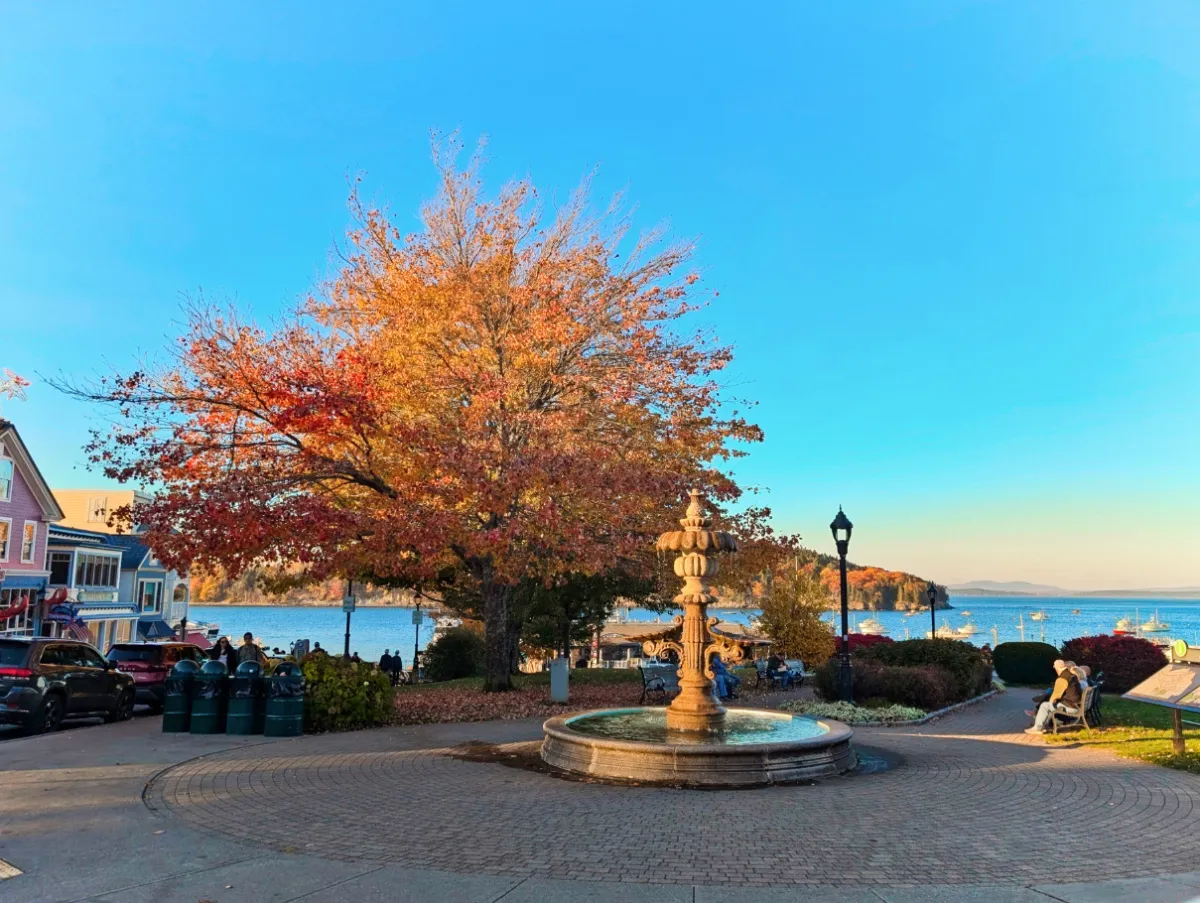 Photo: Bar Harbor, via maineexplored.com
When the 1938 hurricane devastated the New England coast, these mutual aid funds proved their worth on an unprecedented scale. While banks foreclosed on farms and businesses throughout the region, fishing communities with established funds rebuilt their fleets within months. Some harbors even helped neighboring communities that hadn't organized their own systems.
Why Washington Took Notice (Eventually)
Federal officials studying rural economic recovery after the Great Depression discovered these fishing cooperatives almost by accident. A 1936 Department of Agriculture survey intended to document rural poverty instead found thriving coastal communities that had weathered economic storms better than most farming regions.
"The fishing villages had stumbled onto something sophisticated economists were still debating," notes financial historian Robert Chen. "They'd solved the fundamental problem of insurance: how to pool risk among people who face similar hazards without creating moral hazard or adverse selection."
The Federal Crop Insurance Act of 1938 borrowed heavily from the fishermen's model, though few lawmakers acknowledged the connection. The principle was identical: participants contribute a percentage of their production to a common fund that pays out when disaster strikes.
What Killed the Original System
Ironically, government programs designed to help fishing communities ultimately undermined their self-reliance. As federal disaster aid became available in the 1940s and 1950s, the motivation to maintain private mutual aid funds diminished. Younger fishermen, especially returning veterans, preferred individual insurance policies to community obligations.
The rise of larger, corporate fishing operations also changed the dynamic. When fishing shifted from family boats to company fleets, the personal relationships that made mutual aid systems work began to disappear.
The Modern Revival Nobody's Talking About
Today, a handful of fishing cooperatives are quietly reviving the mutual aid model. The Gulf Coast Fishermen's Alliance, formed after Hurricane Katrina, operates essentially the same system Maine lobstermen used a century ago. Members contribute a percentage of their catch value to a disaster fund that's already helped dozens of families rebuild after storms.
"We looked at what worked historically and realized the old-timers had it figured out," says Alliance coordinator Maria Santos. "Government disaster aid comes with paperwork and delays. Our fund can have money in members' hands within days."
Similar cooperatives are emerging in Alaska, where crab fishermen face extreme weather, and in the Pacific Northwest, where salmon runs create boom-and-bust cycles that strain individual fishing operations.
Lessons for Modern Risk-Sharing
The fishermen's insurance model offers insights that extend far beyond maritime industries. Their system succeeded because it combined several elements modern insurance often struggles with: local knowledge, personal accountability, and aligned incentives.
Unlike corporate insurance, where profits flow to distant shareholders, mutual aid systems keep resources within the community that generates them. Unlike government programs, where bureaucracy can delay aid for months, community-managed funds can respond immediately to local needs.
"There's something powerful about people who face the same risks taking care of each other," Kellerman observes. "The fishermen understood that their individual success depended on the whole harbor's resilience."
As climate change increases the frequency of extreme weather events and traditional insurance becomes less affordable for many Americans, the century-old wisdom of Maine's lobstermen might be worth rediscovering. Sometimes the most innovative solutions are the ones we forgot we already knew.