The Woman Who Made Budgeting Make Sense
In 1932, while banks were failing and breadlines stretched around city blocks, a soft-spoken home economist in New York was solving America's money problems one kitchen table at a time. Henrietta Ripperger had developed what she called "purposeful spending" — a budgeting system so effective that families using her method often improved their financial position even as the country sank deeper into the Great Depression.
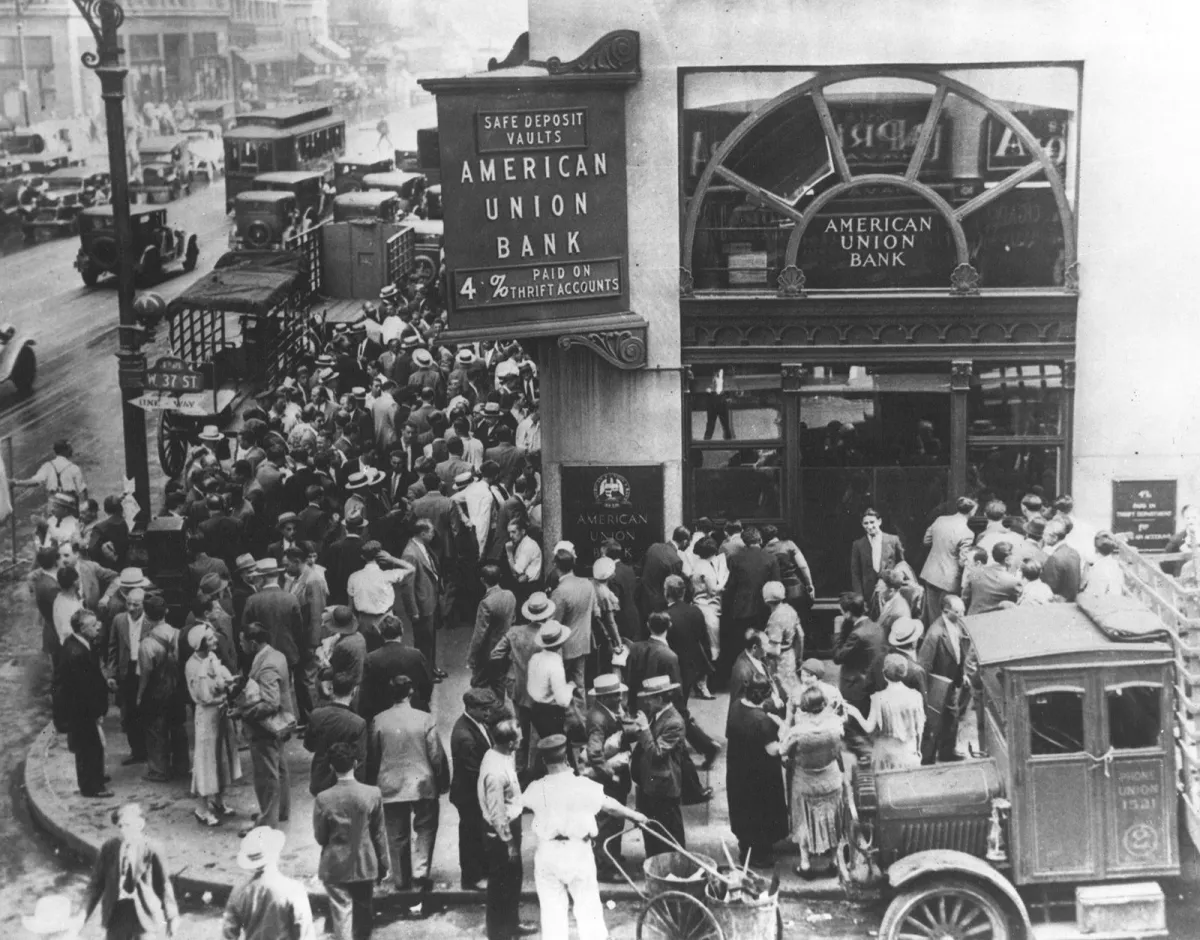 Photo: Great Depression, via cdn.britannica.com
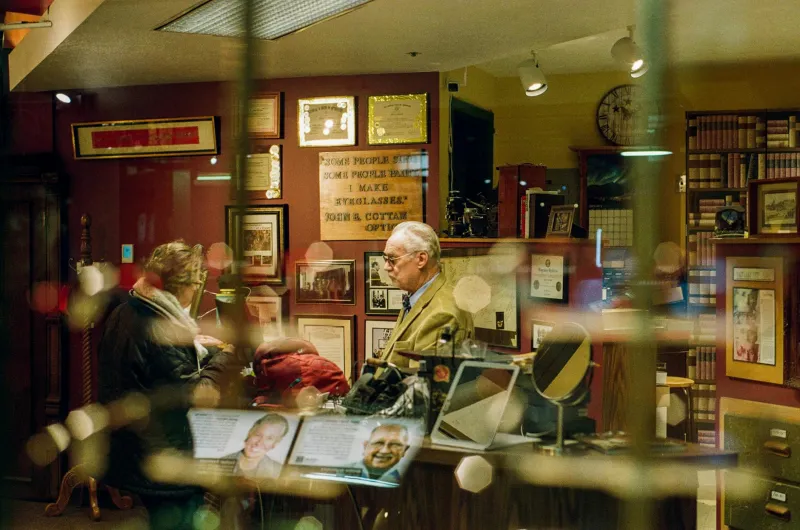
 Photo: Henrietta Ripperger, via m.media-amazon.com
Yet today, financial influencers with millions of followers are "inventing" the exact same principles Ripperger laid out nearly a century ago, completely unaware they're following in her footsteps.
The Accidental Revolutionary
Ripperger didn't set out to revolutionize personal finance. As a researcher at Columbia University's Teachers College, she was studying why some families seemed to weather economic hardship better than others. Her investigation led to a startling discovery: the families who thrived weren't necessarily earning more money — they were spending it more intentionally.
 Photo: Columbia University, via www.hillel.org
"Most people budget backwards," Ripperger wrote in her 1934 book "The Family Budget." "They look at what they earned last month and try to squeeze their expenses into that amount. But money doesn't work that way. You have to decide what your money needs to accomplish, then figure out how to make that happen."
This insight formed the foundation of what modern financial advisors now call "zero-based budgeting" — though Ripperger was doing it decades before the term existed.
The System That Worked
Ripperger's approach started with what she called "life planning." Before touching a single dollar, families would write down their most important goals for the next year, five years, and ten years. Only then would they assign money to specific purposes.
"Every dollar should have a job," she explained, using language that sounds remarkably similar to modern budgeting apps. But Ripperger's system went deeper than today's digital tools. She insisted families track not just where money went, but whether it accomplished what they intended.
Her budgeting categories were surprisingly sophisticated. Beyond basic necessities, she included "opportunity funds" for unexpected chances to advance the family's goals, "relationship money" for maintaining social connections, and "growth funds" for education and skill development. These concepts wouldn't reappear in mainstream financial advice until the 1990s.
The Ripple Effect Nobody Measured
By the late 1930s, Ripperger's methods had spread through women's clubs, church groups, and community organizations across the country. Home economics teachers incorporated her techniques into high school curricula. Social workers used her system to help families receiving government assistance.
"She trained thousands of women who then taught thousands more," explains Dr. Jennifer Walsh, who researches the history of consumer economics at the University of Wisconsin. "There's no way to know how many American families learned to manage money using principles Ripperger developed."
One measurable impact came through the Cooperative Extension Service, which adapted Ripperger's methods for rural families. Extension agents reported that families using her budgeting system were significantly more likely to keep their farms during the agricultural crisis of the mid-1930s.
Why She Disappeared from History
After World War II, American culture shifted dramatically. The postwar economic boom made detailed budgeting seem unnecessary. Consumer credit became widely available, reducing the immediate need for careful money management. And frankly, Ripperger's emphasis on restraint and planning didn't fit the optimistic, spend-now mentality of the 1950s.
"The credit card companies had a vested interest in people not budgeting too carefully," notes financial historian Robert Mayer. "Ripperger's methods were designed to help people avoid debt and spend intentionally. That's the opposite of what the emerging consumer credit industry wanted."
Ripperger herself moved on to other research, eventually becoming a pioneering nutritionist. Her budgeting work was largely forgotten, mentioned only in academic papers about the history of home economics.
The Rediscovery Nobody Realizes Is Happening
Today's most popular budgeting methods — from Dave Ramsey's envelope system to YNAB's "give every dollar a job" philosophy — are essentially variations on Ripperger's original framework. The language has changed, the delivery mechanisms are different, but the core principles remain identical.
"It's fascinating how these ideas keep getting rediscovered," Walsh observes. "Every generation of financial advisors thinks they're inventing something new, but they're often just redressing concepts that worked for their grandparents."
Even the current trend toward "values-based budgeting" — aligning spending with personal priorities — directly echoes Ripperger's insistence that families start with life planning before touching their checkbooks.
What We Lost (And Found Again)
Ripperger's original system included elements that many modern budgeting methods miss. She emphasized the psychological aspects of money management, recognizing that successful budgeting required changing habits and mindsets, not just tracking expenses.
She also understood that budgeting was inherently social. Her methods included strategies for couples to make financial decisions together and techniques for involving children in family money management. These relationship-focused aspects of budgeting have only recently returned to mainstream financial advice.
"Ripperger recognized that money management isn't just about math," explains behavioral economist Dr. Lisa Chen. "It's about human psychology, family dynamics, and social pressures. Modern budgeting apps are just starting to incorporate these insights."
The Legacy That Never Left
While Henrietta Ripperger's name may be forgotten, her influence persists in unexpected places. The envelope budgeting system that helped millions of families through the Depression lives on in cash-stuffing videos that go viral on TikTok. Her emphasis on intentional spending appears in minimalism movements and conscious consumerism.
Most importantly, her core insight — that successful money management starts with clarity about what you want money to accomplish — remains as relevant today as it was during the Great Depression. In an era of overwhelming financial choices and constant spending temptations, Ripperger's century-old wisdom might be exactly what modern families need.
Sometimes the most revolutionary ideas are the ones we've already forgotten we knew.