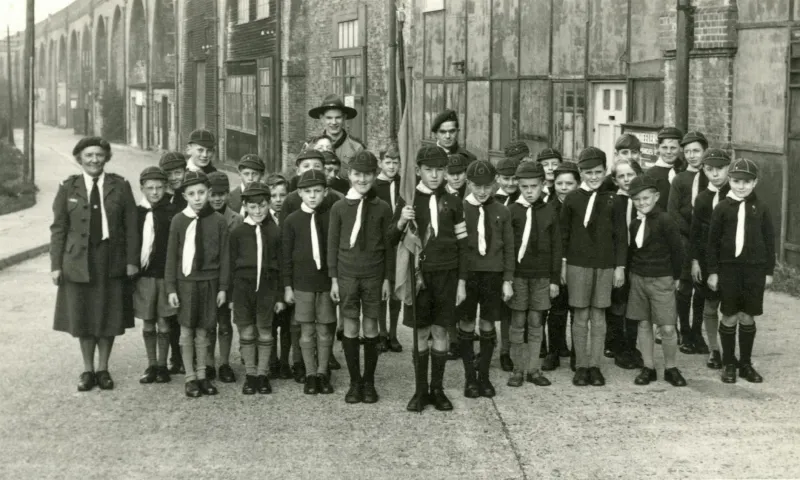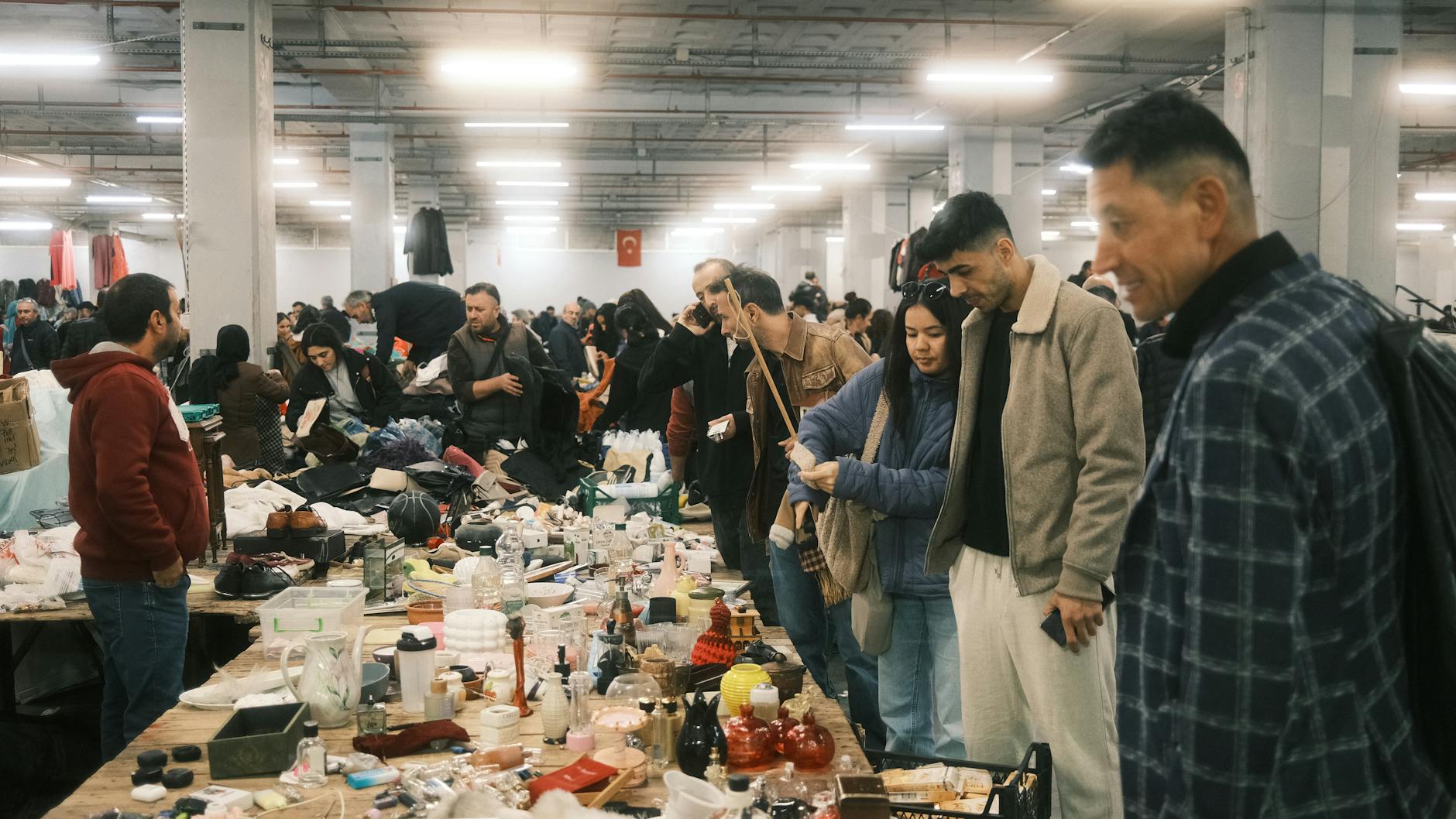
The Economy Stopped. Life Didn't.
By 1932, unemployment in the United States had climbed past 20 percent. Banks were failing by the hundreds. Families who had done everything right — saved, worked hard, stayed out of debt — found themselves unable to buy groceries not because food didn't exist, but because the medium of exchange for that food had simply evaporated from their lives.
Cash was gone. Credit was gone. The formal economy had, for a significant slice of the American population, effectively ceased to function.
What happened next is one of the most underreported stories in American economic history — and it's one that a growing number of economists are quietly dusting off as a blueprint for what communities can do when the system fails them.
They traded. Ingeniously, stubbornly, and at remarkable scale.
The Barter Networks Nobody Wrote About
Across the country, starting roughly in 1930 and accelerating through the worst years of the Depression, hundreds of grassroots exchange networks materialized almost spontaneously. They went by different names — trade exchanges, cooperative barter clubs, natural development associations — but the core logic was identical: if you have something someone else needs, and they have something you need, money is just a middleman you can cut out.
California became an unlikely epicenter of this movement. The state's size, its diverse agricultural output, and the sheer concentration of unemployed workers made it fertile ground for barter experimentation. The Natural Development Association, founded in Los Angeles in 1931, eventually enrolled tens of thousands of members who traded goods and services using a parallel accounting system that tracked credits rather than dollars.
At its peak, the NDA was facilitating the equivalent of millions of dollars in annual transactions — entirely outside the cash economy. Farmers brought in produce. Carpenters offered labor. Dentists provided cleanings. Teachers gave lessons. Everything got logged, credited, and offset against future trades.
In the Midwest, smaller scrip-based systems popped up in towns where the local currency had become functionally useless. Printed on everything from cardboard to newspaper stock, these local scrip notes could be exchanged for goods at participating merchants and redeemed for labor credits at local workshops. Some of these systems were so well-organized that they outlasted the Depression itself.
The Doctor Who Got Paid in Potatoes
The texture of daily life inside these networks is where the story gets genuinely fascinating.
Physicians in barter communities would see patients in exchange for produce, preserved goods, or farm labor. A house call might cost a cured ham and a bushel of apples — which sounds absurd until you realize the doctor needed to eat too, and his patients had no money. The transaction was real. The value was real. The only thing missing was the dollar sign.
Lawyers took firewood. Barbers took eggs. Seamstresses took canned vegetables. One documented exchange network in Ohio operated a quasi-department store where members could "shop" using accumulated labor credits — essentially a pre-digital gift economy running on handshake accounting.
The social dimension of these networks was inseparable from the economic one. People who were humiliated by the idea of accepting charity had no problem trading. The barter system preserved dignity in a way that relief lines didn't. You weren't receiving a handout — you were participating in an economy, just a different one.
Why Historians Mostly Missed It
Given the scale of these networks, it's striking how little attention they received in standard Depression-era histories. Part of the explanation is practical: informal barter exchanges left sparse paper trails. No SEC filings, no federal oversight, no newspaper coverage beyond the occasional local feature.
But there's also an ideological dimension. The dominant narrative of the Depression — helpless individuals saved by federal intervention — didn't have much room for stories of communities solving their own problems through lateral ingenuity. The New Deal was the story. The barter clubs were a footnote.
Economist Stephanie Kelton and others working in the Modern Monetary Theory tradition have pointed to Depression-era exchange networks as evidence that communities can create functional economic systems without state-issued currency — a provocative idea that generates significant academic debate but has never quite broken into mainstream economic education.
The Economists Who Are Paying Attention Now
In the years following the 2008 financial crisis, and again during the COVID-19 economic disruptions, a small but serious group of economists began revisiting the Depression barter archives with fresh eyes.
What they found wasn't just a historical curiosity. They found a surprisingly sophisticated model of community economic resilience — one that addressed several problems simultaneously.
Barter networks kept skilled workers active during periods when their skills had no cash market. They preserved social cohesion in communities under extreme economic stress. They created genuine price discovery mechanisms (what is a legal consultation actually worth in eggs?) that revealed the arbitrary nature of cash-denominated value. And they demonstrated that trust — not money — is the actual foundation of economic exchange.
Time banking, a modern descendant of Depression-era labor exchange, operates on almost identical principles. Members log hours of service and spend those hours receiving services from others in the network. The currency is time, not dollars, and it doesn't inflate, deflate, or vanish when a bank fails.
What Gets Unlocked When the System Breaks
There's a version of this story that reads as a cautionary tale about economic collapse. But the more interesting version is about what human communities actually do when the formal infrastructure fails them.
They improvise. They find each other. They figure out what they have and what they need and they make deals. The Depression barter networks weren't elegant — they were messy, inconsistent, and often frustrating to participate in. But they worked well enough to keep thousands of households solvent through the worst economic catastrophe in American history.
The vault of forgotten American ingenuity is full of ideas like this — solutions that worked, got overlooked, and are now being rediscovered by people facing new versions of old problems.
Something to think about the next time your neighbor has too many zucchini.