Somewhere between your grandmother's kitchen drawer and your phone's app store, a genuinely clever piece of financial wisdom got lost. It didn't disappear because it stopped working. It disappeared because the credit industry found a way to make it feel unnecessary — and then quietly made sure everyone forgot about it.
The method is called envelope cycling. It's older than your grandparents' grandparents. And it's making a comeback in the most unexpected demographic.
Life Before Direct Deposit
To understand why envelope cycling worked so well, you have to picture what managing money looked like in the early 1930s. There were no debit cards. No automatic bill pay. No Venmo. When the average American factory worker or farmhand got paid, they received physical cash — often weekly, sometimes biweekly — and that cash had to stretch until the next payday.
This wasn't just a matter of discipline. For millions of households during the Great Depression, miscalculating by even a few dollars could mean skipping meals or falling behind on rent. The stakes of poor cash management were immediate and visceral in a way that's hard to fully appreciate today, when most of us experience money as numbers on a screen.
Envelope cycling emerged from that pressure. It wasn't invented by any one person — it evolved organically across working-class households as a practical solution to a practical problem.
How the System Actually Worked
The mechanics were straightforward, but the discipline built into them was sophisticated.
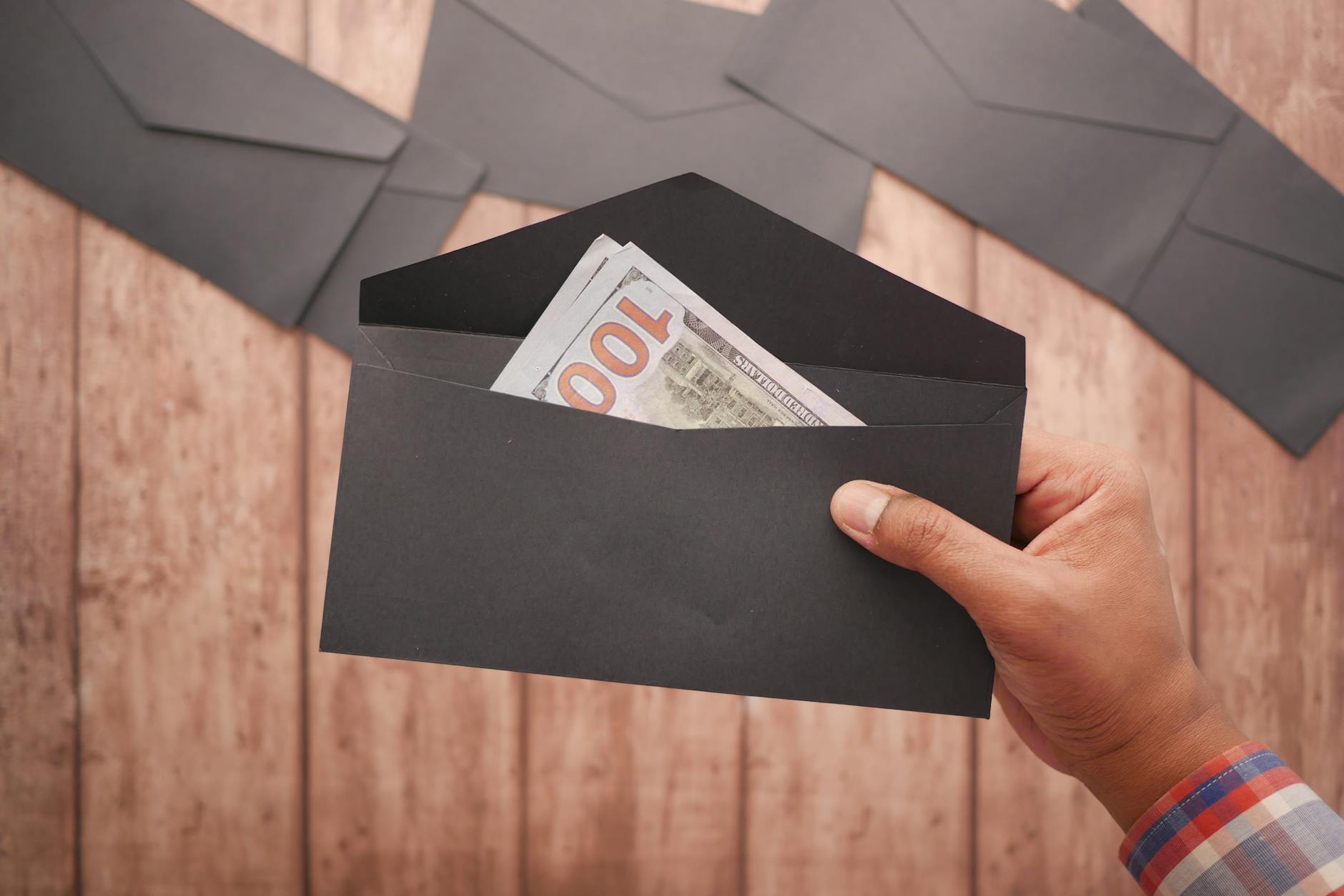
When a paycheck arrived, it was immediately divided into labeled envelopes. Each envelope represented a spending category: groceries, rent, utilities, clothing, medicine, and so on. The amounts were predetermined based on a simple weekly or monthly budget. Once an envelope was empty, spending in that category stopped — full stop. No borrowing from next week's envelope. No exceptions.
The cycling part of the name referred to a specific refinement that separated more experienced practitioners from beginners. Rather than resetting every envelope to the same amount each pay period, households would track surplus and deficit patterns over several cycles. If the grocery envelope consistently had a few dollars left over, that surplus would be deliberately rolled into a separate "buffer" envelope rather than spent. Three or four months of disciplined cycling could build a modest emergency buffer entirely from money that would otherwise have evaporated into small, unmemorable purchases.
In an era before savings accounts were universally trusted — remember, thousands of banks failed between 1930 and 1933, wiping out depositors who had no federal protection — keeping a physical cash buffer at home wasn't just old-fashioned. It was rational.
Why Financial Advisors Stopped Talking About It
Envelope cycling didn't fade out because it was flawed. It faded out because the postwar credit boom made it feel antiquated.
By the late 1950s and into the 1960s, credit cards were spreading rapidly through middle-class American households. The financial services industry had an enormous incentive to encourage spending on credit — interest revenue depended on it. Cash-based budgeting methods that made consumers acutely aware of their spending in real time were, to put it bluntly, bad for business.
The shift in mainstream financial advice was gradual but consistent. By the 1980s, most personal finance content was built around the assumption of credit access. Budgeting frameworks evolved to accommodate revolving balances and minimum payments rather than hard spending limits. Envelope cycling wasn't discredited — it was simply never mentioned. A generation of financial advisors trained in the credit era genuinely didn't know it existed.
There's also a more cynical read: a population that never runs out of cash in a given category is a population that doesn't carry balances. And a population that doesn't carry balances isn't generating much fee revenue for anyone.
The Gen Z Revival
Here's where the story takes an unexpected turn.
Search "cash stuffing" on TikTok and you'll find millions of views. Search "envelope budgeting" on YouTube and you'll find channels with hundreds of thousands of subscribers built entirely around the concept. What's being described in these videos — sometimes with colorful binders, decorative envelopes, and surprisingly detailed tracking sheets — is functionally identical to what Depression-era households were doing with paper envelopes and pencil marks.
The generation that grew up with contactless payments and Buy Now Pay Later is, in significant numbers, deliberately returning to physical cash as a budgeting tool. The reasons they cite are strikingly similar to what made the method effective in the 1930s: when you can see and feel money leaving your hands, you spend differently. The psychological friction of handing over a physical bill is something that tap-to-pay deliberately removes.
Some younger savers are even applying the cycling logic — tracking envelope surpluses over multiple months to build emergency funds without ever formally "saving" in the traditional sense. They're rediscovering the buffer concept independently, often without knowing they're replicating a 90-year-old technique.
A Simple Idea That Refused to Stay Buried
Envelope cycling never needed an app. It never needed a financial advisor's blessing. It worked because it made abstract numbers into something tangible and immediate — and it built savings as a byproduct of discipline rather than a separate, effortful act.
The fact that it's resurfacing now, in a financial environment defined by subscription overload, impulse purchasing, and record consumer debt, probably shouldn't be surprising. Sometimes the oldest tools in the drawer are the ones that still cut cleanest.
Your grandmother knew something. Turns out, so does TikTok.