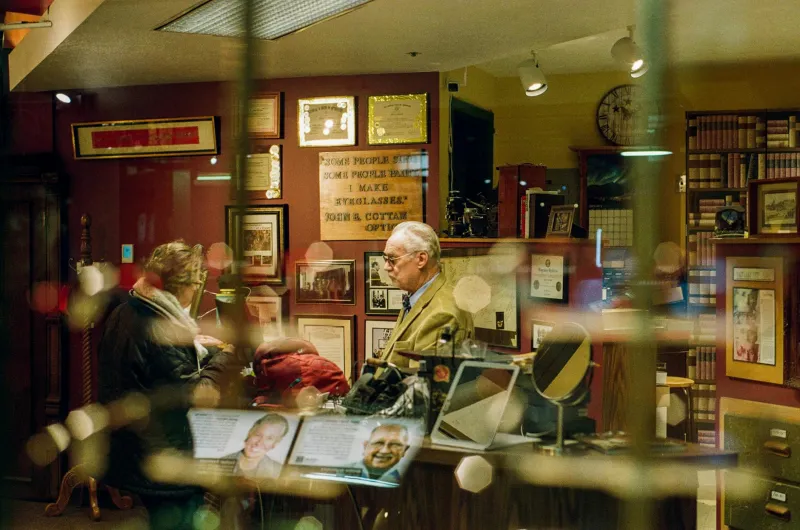
The Diner Deal That Wall Street Never Saw Coming
Every Tuesday at 2 PM, they'd gather around the same corner table at Ruby's Diner on Auburn Avenue. Five or six Black entrepreneurs — a barber, a seamstress, a small grocery store owner — sharing coffee and quietly revolutionizing real estate investing.
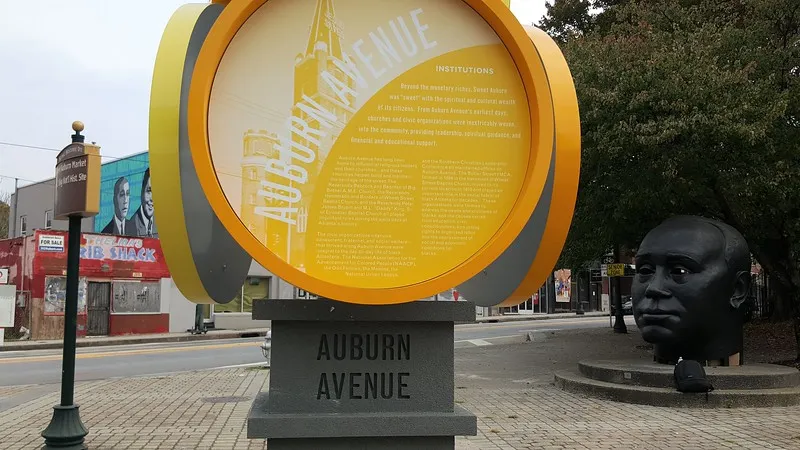 Photo: Auburn Avenue, via photos.moderncities.com
 Photo: Ruby's Diner, via i.pinimg.com
This wasn't a formal investment club. There were no lawyers, no paperwork, no fancy presentations. Just working people pooling their pocket change to buy properties that banks wouldn't finance for them, creating what might be America's first grassroots real estate syndication network.
When Banks Said No, Lunch Counters Said Yes
In 1940s Atlanta, redlining wasn't just policy — it was religion. Banks drew literal red lines around Black neighborhoods, marking them as "too risky" for conventional loans. Even successful Black business owners with steady income found themselves locked out of property ownership beyond their immediate neighborhoods.
But Ruby's Tuesday group had figured out something that wouldn't become mainstream investment wisdom for another 40 years: small money, pooled strategically, could punch way above its weight class.
Here's how it worked: Each member contributed what they could — sometimes $15, sometimes $50 — into a communal fund. When they'd saved enough for a down payment, they'd scout properties together, often in transitioning neighborhoods where motivated sellers might consider owner financing.
The beauty was in the informal structure. No single person carried the entire financial risk. Everyone contributed according to their means, and everyone shared in the returns proportionally. When a property generated rental income or was sold at a profit, the gains flowed back to fund the next purchase.
The Playbook That Predated Modern Real Estate Investing
What these lunch counter investors created — almost by accident — was a nearly perfect blueprint for what we now call real estate syndication. They were crowdfunding property deals decades before the term existed.
Their system solved three critical problems that still plague individual real estate investors today:
Risk Distribution: Instead of one person carrying a massive mortgage, risk was spread across multiple investors. If someone hit financial trouble, the group could cover their portion temporarily.
Market Knowledge: Six sets of eyes spotted opportunities better than one. The barber heard about upcoming neighborhood changes from his customers. The seamstress knew which families were planning to move. The grocery owner understood local foot traffic patterns.
Financing Flexibility: While banks demanded 20% down payments and perfect credit, motivated sellers often accepted creative terms — especially when dealing with a group that could close quickly with cash.
The Numbers That Nobody Recorded
Because these deals happened outside formal banking channels, there are no official records of their success rates. But family stories and community oral history suggest the results were remarkable.
One group reportedly turned an initial pool of $300 into ownership of twelve rental properties over eight years. Another network, centered around a beauty salon in the Sweet Auburn district, allegedly helped its members accumulate enough property wealth to send their children to college — something that seemed impossible for working-class families in the 1940s.
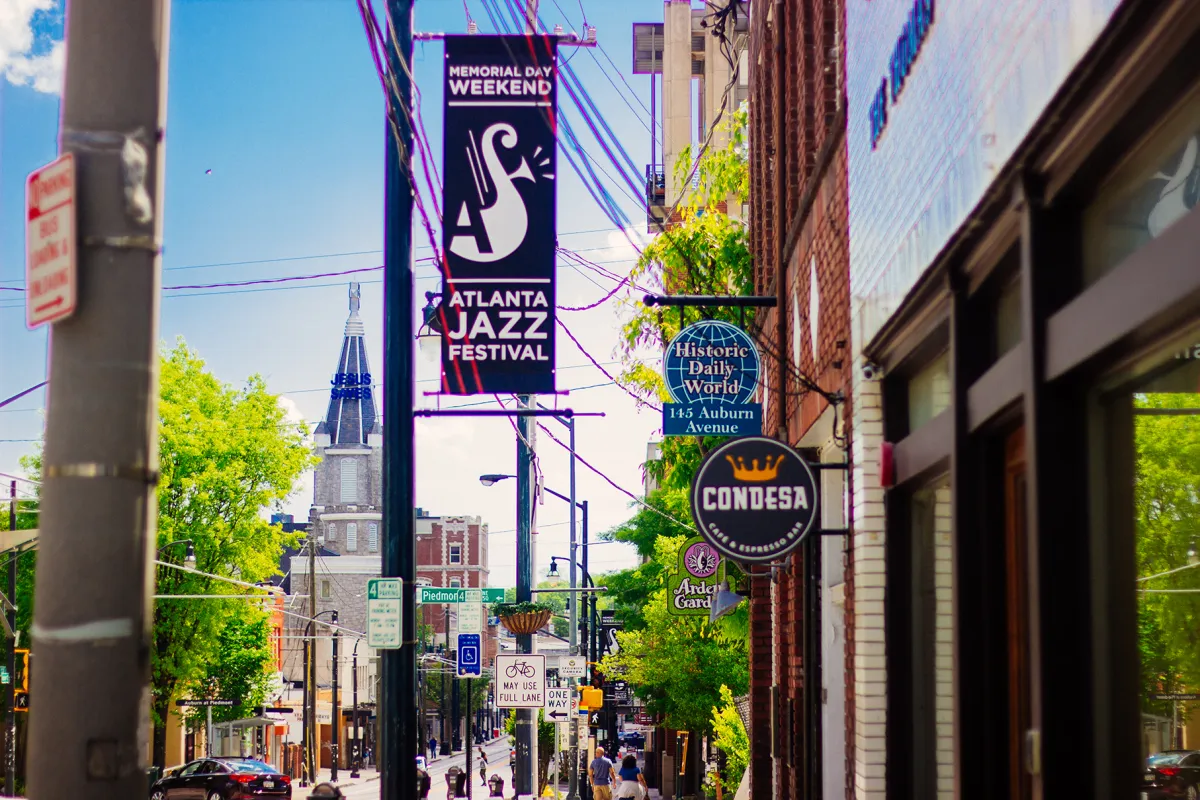 Photo: Sweet Auburn, via www.sweetauburnworks.com
Why This Mattered More Than Anyone Realized
These informal investment networks did more than just build wealth — they created a parallel financial system that operated entirely outside traditional banking. When banks wouldn't serve Black communities, these communities served themselves.
The psychological impact was equally important. Members learned to think like investors, not just workers. They developed negotiation skills, market analysis abilities, and financial planning habits that they passed on to their children.
Many of the Black-owned businesses that thrived in Atlanta during the 1950s and 1960s traced their initial capital back to these lunch counter investment networks.
The Revival That's Happening Right Now
Today's young investors, priced out of traditional real estate markets by skyrocketing prices, are rediscovering versions of this model. Real estate investment groups organized through social media mirror the informal structure of those 1940s lunch counter meetings.
The difference is scale and technology. Modern investment apps let people pool money for real estate deals with strangers across the country. But the fundamental insight remains the same: small money, intelligently combined, can access opportunities that individual investors can't touch.
Some of today's most successful real estate syndicators openly credit studying these historical models. The informal mentorship, shared risk, and community-based deal sourcing that happened naturally around Ruby's corner table now requires deliberate effort to recreate.
The Lesson That Outlived the Lunch Counters
Ruby's Diner is long gone, replaced by a parking lot and urban development. But the principle those Tuesday investors discovered endures: when traditional financial institutions fail communities, communities can build their own financial institutions.
Their pocket change pooling system worked because it was built on relationships, shared knowledge, and mutual accountability — elements that no amount of formal financial engineering can replicate.
For today's investors feeling locked out by high prices and tight credit, the lunch counter playbook offers something more valuable than just strategy. It offers proof that ordinary people, armed with patience and cooperation, can build extraordinary wealth — even when the entire financial system seems designed to keep them out.